Arkansas Drivers Practice Test 9

5 out of 5 (38 votes)
80% Passing score
20 Questions
4 Mistakes allowed
The Arkansas drivers practice test is not here to gently pat you on the back for knowing what a Stop sign looks like. This one gets into school bus rules, which, yes, sounds oddly specific until you remember that Arkansas expects drivers to know exactly what to do when a bus stops, its lights start flashing, and a bunch of kids may be about to appear from places your mirrors absolutely did not warn you about. This ninth Arkansas drivers practice test gives you 20 questions pulled from the kind of material covered in the official Arkansas Driver License Study Guide. To pass this practice quiz, you’ll need 16 correct answers. That is a useful little reality check, because the real Arkansas permit test is not especially interested in your vibes. It has 25 multiple-choice questions, and you need 20 correct answers to pass, which works out to 80%. Miss more than 5, and, well, that is information you probably want before test day rather than during it. The official knowledge test is handled through the Arkansas State Police Driver Examination program, and the study guide covers the usual driving-test suspects: traffic laws, signs and signals, right-of-way, pavement markings, work zones, seat belts, distracted driving, DUI and DWI laws, emergency maneuvers, and sharing the road with motorcycles, bicycles, big trucks, and emergency vehicles. Somewhere in that mix, school bus safety gets its own very deserved spotlight. Not glamorous, maybe, but important. Very important, actually, in the way that “don’t endanger children crossing the road” is not exactly optional. Younger drivers can start the Arkansas licensing process at 14. After passing the knowledge exam and vision test, they can receive an instruction permit that is valid for 2 years from the date the knowledge exam is passed. Minor applicants also need the right paperwork, including an original or certified U.S. birth certificate for U.S. citizens, a parent or legal guardian signature, and accepted secondary identification. Adults have document rules too, though theirs are a little different and slightly less parent-signature-heavy. Use this Arkansas permit practice test with the official handbook, not as a replacement for it. The handbook gives you the rules. This quiz makes you prove you can actually recognize them when they show up in test-question clothing.

FREE DMV Practice Test App
Study for your Arkansas permit test or driver’s license with the NextDoorDriving app. 700+ DMV questions and answers, 100% free!
Download on the App Store

Sample Arkansas Permit Test Questions

Question 1

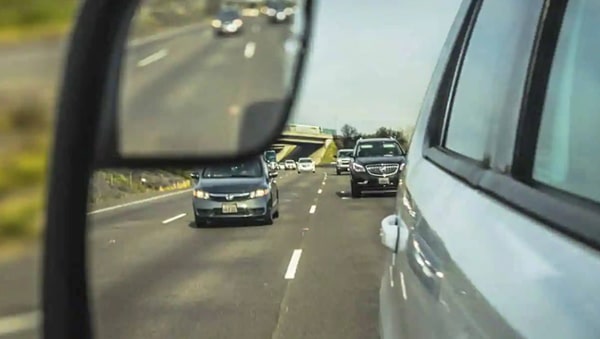
Why should you regularly check traffic behind your vehicle?

You should check traffic behind you:
  1. A It is necessary only on freeways
  2. B It helps you identify traffic approaching too fast or following too closely
  3. C It is necessary only before slowing
  4. D It is necessary only when no passengers are present

Correct answer: B – It helps you identify traffic approaching too fast or following too closely

Checking the rearview and side mirrors helps you track where traffic behind your vehicle is positioned. It can reveal a vehicle approaching too quickly or following too closely, giving you additional time to respond. Awareness of rear traffic is important during ordinary driving, not only on highways or while slowing.

Source: Arkansas Driver License Study Guide — Ch. 5, “Stay Alert—Looking Behind”

Question 2

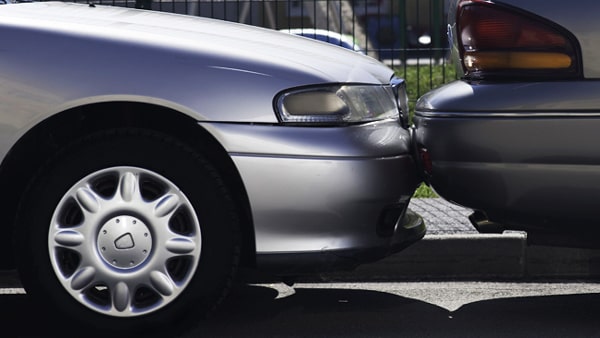
In Arkansas, what must you do after striking an unattended parked vehicle when you cannot locate its owner?

If you hit a parked car and cannot find the owner, you:
  1. A Leave if the damage appears minor
  2. B Wait at the scene until the owner returns
  3. C Stop and leave the required written notice conspicuously in the struck vehicle
  4. D Give your information only to a nearby witness

Correct answer: C – Stop and leave the required written notice conspicuously in the struck vehicle

Arkansas law requires the driver to stop immediately and either locate the owner or leave a written notice conspicuously in the struck vehicle. The notice must provide the name, address, and contact information of the driver and owner of the striking vehicle, along with a statement describing the circumstances. This duty applies statewide, including in private-business parking areas.

Source: Ark. Code Ann. § 27-53-104(a)–(b) — Notification if Unattended Vehicle Is Struck

Question 3

A yellow diamond sign shows a black arrow making a sharp right-angle turn. What does it warn you about?

When you see this black and yellow sign, it means:
  1. A A one-way roadway begins to the right
  2. B Construction traffic must detour right
  3. C A sharp right turn is ahead
  4. D A side road enters from the right

Correct answer: C – A sharp right turn is ahead

This warning sign indicates a sharp turn rather than a gradual curve. Slow down before entering the turn because excessive speed can cause your tires to lose their grip. Braking after entering a curve can also contribute to a skid.

Source: Arkansas Driver License Test Study Guide — Ch. 2, “Warning Signs”; Ch. 5, “Curves”

Question 4

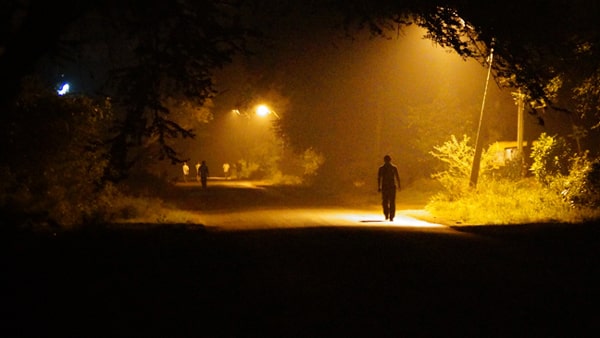
When traveling at night on a poorly lighted street, how should you choose your speed?

When driving in traffic at night on a dimly lit street, you should:
  1. A Drive slowly enough to stop within the distance illuminated by your headlights
  2. B Use high beams even when following traffic closely
  3. C Turn the instrument-panel lights to maximum brightness
  4. D Keep the emergency flashers operating

Correct answer: A – Drive slowly enough to stop within the distance illuminated by your headlights

Darkness reduces how far ahead you can identify hazards. Drive at a speed that permits you to stop within the roadway visible in your headlights. Low beams should be used when following another vehicle within 200 feet, and emergency flashers are intended to warn of an emergency or disabled vehicle.

Source: Arkansas Driver License Test Study Guide — Ch. 5, “High and Low Beam Headlights”; Ch. 5, “Darkness”

Question 5

When preparing for a right turn, where should you position your vehicle?

  1. A Near the roadway center
  2. B Along the left edge of the roadway
  3. C As close as practicable to the right edge or curb
  4. D Beyond the intersection center before turning

Correct answer: C – As close as practicable to the right edge or curb

Arkansas law generally requires both the approach and the right turn to be made as close as practicable to the right-hand curb or roadway edge. When no markings or signs provide other directions, enter the lane nearest your direction of travel. Avoid a wide turn that carries your vehicle into another lane.

Source: Ark. Code § 27-51-401(a)(1) – Turning at Intersections, Arkansas Driver License Test Study Guide — Ch. 3, “Turning” and “Right Turns”

Question 6

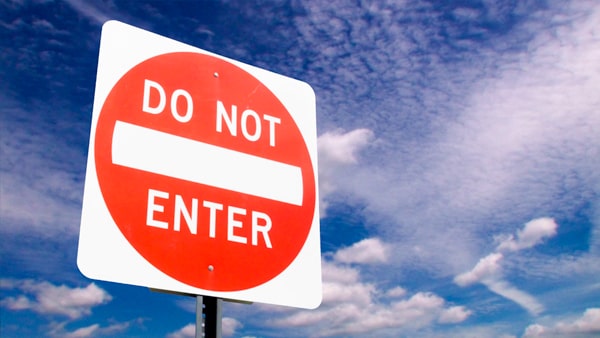
A red-and-white DO NOT ENTER sign is posted at a roadway entrance. What does it tell you?

This sign is used to prevent:
  1. A The parking area ahead is full
  2. B Only construction vehicles may enter
  3. C The street ends after this entrance
  4. D Traffic may not enter from your direction

Correct answer: D – Traffic may not enter from your direction

A DO NOT ENTER sign prohibits traffic from entering the roadway at that location or from that direction. Turn around or select another lawful route rather than continuing past the sign. Entering despite the prohibition can place your vehicle in conflict with opposing traffic.

Source: Arkansas Driver License Test Study Guide — Ch. 2, “Do Not Enter Signs”