Free CDL Practice Tests - All Endorsements

Preparing for your Commercial Driver's License doesn't have to be confusing or expensive. NextDoorDriving.com provides state-accurate CDL practice tests and endorsement simulators built directly from official state CDL manuals and federal FMCSA standards. Authored and verified by licensed driving instructors with decades of hands-on industry experience, our tools deliver a 100% free, ad-free study experience to help you get certified on your first try.

Updated for 2026 • All CDL endorsements

Free CDL Practice Tests

How the tests work

Master Every CDL Test & Endorsement

Comprehensive practice tests for Class A, B, and C commercial licenses—100% free and updated for 2026 regulations.

  • CDL General Knowledge Exam

    Required for: All Commercial Driver's License applicants (Class A, Class B, Class C).

    What’s Covered: The foundational exam every commercial driver must pass. Test questions cover essential highway safety, state and federal motor carrier regulations, safe vehicle operation, cargo loading and securing procedures, emergency maneuvers, and managing driving hazards like severe weather or night driving.

  • Air Brakes Practice Test

    Required for: Drivers operating any commercial vehicle equipped with single or dual air brake systems.

    What’s Covered: Essential for removing the "L" air brake restriction from your license. Drills you on dual air brake system components, air pressure gauges, low-pressure warning signals, governor cut-in/cut-out pressures, emergency braking procedures, and mandatory daily air brake inspection routines.

  • Combination Vehicles Practice Test

    Required for: Class A CDL drivers operating tractor-trailers, truck-trailer combinations, or articulated vehicles.

    What’s Covered: Focused on the mechanics and physics of driving multi-unit rigs. Topics include safe fifth-wheel coupling and uncoupling sequences, proper glad hand connections, trailer air supply controls, rollover prevention, anti-jackknife braking techniques, and wide-turn management.

  • Hazardous Materials (HazMat) Practice Test

    Required for: Drivers hauling materials requiring official federal DOT placards (HazMat 'H' Endorsement).

    What’s Covered: Based on strict FMCSA safety standards. Tests your knowledge of the 9 hazard classes, required vehicle placarding rules, shipping paper documentation, safe driving and parking restrictions, emergency spill procedures, and TSA background check compliance guidelines.

  • Tanker Vehicles Practice Test

    Required for: Drivers hauling liquids or bulk gases in tanks rated over 119 gallons or 1,000+ lbs total capacity ('N' Endorsement).

    What’s Covered: Teaches the unique handling challenges of liquid cargo. Questions cover liquid surge dynamics, baffled vs. unbaffled tanks, outage (expansion space) rules, emergency stopping distances, center-of-gravity management, and safe speed adjustments on curves.

  • Passenger Vehicles Practice Test

    Required for: Drivers operating commercial vehicles designed to carry 16 or more passengers, including the driver ('P' Endorsement).

    What’s Covered: Tailored for city bus, coach, shuttle, and transit drivers. Covers safe passenger loading and unloading protocols, interior vehicle inspections, passenger management on the road, mandatory railroad crossing stops, and emergency evacuation procedures.

  • School Bus Practice Test

    Required for: Operators transporting K–12 students in school buses ('S' Endorsement — requires 'P' endorsement first).

    What’s Covered: Focuses heavily on student safety and specialized state bus laws. Topics cover danger zones around the bus, loading/unloading zone procedures, operating amber and red flashing signal lights, student emergency evacuations, and highway-rail grade crossing protocols.

  • Doubles & Triples Practice Test

    Required for: Class A drivers hauling two or three trailers simultaneously ('T' Endorsement).

    What’s Covered: Covers the advanced handling required for multi-trailer rigs. Questions focus on the "crack-the-whip" effect, coupling/uncoupling converter dollies, inspecting shut-off valves, managing air supply across multiple units, and safe braking procedures on slick roads.

  • Pre-Trip Inspection Practice Test

    Required for: All CDL applicants preparing for the mandatory walk-around portion of the CDL skills exam.

    What’s Covered: Prepares you to walk an examiner through a complete vehicle safety inspection. Covers internal cab checks, engine compartment components (belts, hoses, fluid levels), steering mechanics, suspension systems, tires/wheels, coupling devices, and external safety lighting.

Which CDL License Class Do You Need?

Compare vehicle weight limits and required written tests to pick the right study path.

Weight Threshold

Gross Combination Weight Rating (GCWR) of 26,001+ lbs, provided the towed vehicle/trailer weighs over 10,000 lbs.

Common Vehicles

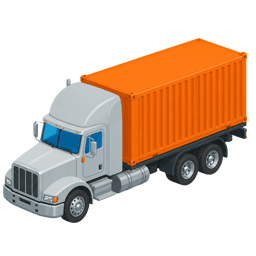
  • Tractor-trailers / Semi-trucks (18-wheelers)
  • Truck and trailer combinations
  • Tanker trucks pulling trailers
  • Livestock haulers & flatbeds

Required Written Tests

  • CDL General Knowledge Exam
  • Combination Vehicles Practice Test
  • Air Brakes Practice Test (if vehicle uses air brakes)

Weight Threshold

Single vehicle with a GVWR of 26,001+ lbs, OR towing a vehicle weighing 10,000 lbs or less.

Common Vehicles

  • Straight trucks & large delivery trucks
  • City transit buses & commercial coach buses
  • School buses (with S & P endorsements)
  • Dump trucks, cement mixers, & garbage trucks

Required Written Tests

  • CDL General Knowledge Exam
  • Air Brakes Practice Test (for most vehicles in this class)
  • Applicable Endorsement Tests (Passenger, School Bus, HazMat, etc.)

Weight Threshold

Single vehicle weighing under 26,001 lbs, designed to transport 16+ passengers OR hazardous materials requiring DOT placards.

Common Vehicles

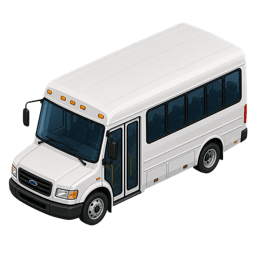
  • 16+ passenger commuter vans & shuttles
  • Small school buses / activity buses
  • HazMat delivery vehicles under 26,001 lbs

Required Written Tests

  • CDL General Knowledge Exam
  • Passenger Endorsement ('P') OR HazMat Endorsement ('H')

CDL Endorsement Cheat Sheet

Quick reference guide to official CDL endorsements and vehicle restrictions

CodeEndorsement NameVehicles & Cargo CoveredRequired Written Exams
HHazardous MaterialsVehicles transporting hazardous materials requiring official DOT safety placards.
  • CDL General Knowledge
  • HazMat Practice Test
NTanker VehiclesBulk liquid or gas tanks over 119 gallons (individual) or 1,000+ gallons (aggregate).
  • CDL General Knowledge
  • Tanker Practice Test
XHazMat & Tanker (Combo)Tank vehicles hauling bulk liquid or gas hazardous materials.
  • CDL General Knowledge
  • HazMat Practice Test
  • Tanker Practice Test
PPassenger VehiclesCommercial vehicles engineered to transport 16 or more passengers (including driver).
  • CDL General Knowledge
  • Passenger Practice Test
SSchool BusK–12 school buses transporting students (requires 'P' endorsement first).
  • CDL General Knowledge
  • Passenger Practice Test
  • School Bus Practice Test
TDoubles / TriplesClass A combination vehicles hauling two or three trailers simultaneously.
  • CDL General Knowledge
  • Combination Practice Test
  • Doubles/Triples Practice Test
LAir Brakes (Removal)Removes the "L" restriction, allowing you to operate air brake-equipped vehicles.
  • Air Brakes Practice Test

5-Star Rated on Google and Trustpilot

  • P

    I needed a great test quiz to help me understand and pass my hazmat test and everything I needed was on your website.

    Paul Meadows

  • A

    All the information is well-developed, detailed, and perfectly clear. The opportunity for second chances to complete surveys is a huge help. It's such a relief to have found this platform.

    arleth osorio

  • Really good preparation tool for the hazmat test. Probably any other test they offer if any but definitely for the hazmat test. Very user friendly.

    D “Big Orange Trucker”

  • D

    Pretty accurate and good for studying if you want to get your CDL or upgrade them.

    Darrett Bridges

  • This is great for the preparation of the future of a class a endorsement tanker holder

    Teriza Torres

  • Was a great way to help me prep before the test!

    arthur jefferson

  • The practice tests are super helpful and built my confidence while studying for the S Endorsement

    Nic Davis

  • Using their practice tests while studying for the permit exam helped me understand the questions better and focus on what I actually needed to learn.

    Joel

Licensed Driving School & Accredited Partner

The NextDoorDriving.com Difference

Commercial driving rules are strict, and sitting through DMV retakes costs both time and money. NextDoorDriving.com eliminates the clutter of paywalled study tools and ad-heavy quiz sites. Instead, we offer direct access to instructor-built practice tests mapped straight to current state CDL manuals and federal standards. No locked endorsements, no hidden subscriptions—just straightforward exam prep to help you pass on your first try.

  1. Real Instructors, Real Questions

    NextDoorDriving.com develops every practice test from scratch with state-certified driving instructors. Our team writes and reviews each question to reflect real commercial driving laws and exact testing standards.

  2. Current State & Federal Handbooks

    DMV rules and federal regulations change – keeping track of them should not be your job. NextDoorDriving.com keeps every practice test aligned directly with current state CDL manuals and FMCSA guidelines, so you always study up-to-date answers.

  3. Completely Free — Every Endorsement Included

    Getting licensed gets expensive fast, so NextDoorDriving.com keeps every General Knowledge test, Class A/B simulator, and specialized endorsement 100% free, for everyone. No credit cards, no locked tiers, and no surprises.

  4. No Ads In Your Face

    Studying for a high-stakes CDL exam takes real focus. NextDoorDriving.com keeps the platform completely ad-free, giving you a clean, quiet space to study without blinking banners or pop-ups interrupting your train of thought.

  5. Instant Hints & Explanations

    Guessing doesn’t build confidence on test day. NextDoorDriving.com pairs every question with clear, plain-English explanations that break down the actual law, helping you understand the rules so trick questions won’t catch you off guard.

Driver’s License FAQ

Are these CDL practice tests state-specific?

Yes, though a lot of the core CDL material is standardized across the country. Federal regulations set the minimum rules for CDL classes, endorsements, restrictions, and testing, but each state licensing agency runs its own program. That means manuals, application steps, traffic laws, fees, and even testing arrangements can vary from one state to another.

Choosing your state helps match the practice material to the wording and information used in your current state CDL manual.

What is the difference between Class A, Class B, and Class C CDL practice tests?

The right CDL practice test comes down to the vehicle you plan to drive, its weight, and any endorsements the job requires.

Class A applies to combination vehicles with a gross combination weight rating or actual weight of at least 26,001 pounds when the towed unit is rated or weighs more than 10,000 pounds. Tractor-trailers are the familiar example.

Class B applies to a single vehicle rated or weighing at least 26,001 pounds, including one towing a vehicle that does not exceed 10,000 pounds. Straight trucks, large buses, and dump trucks may fall into this category.

Class C covers vehicles outside the Class A and B definitions that are designed to carry at least 16 people, including the driver, or transport certain hazardous materials.

A Class A applicant will generally need combination-vehicle material. Air-brake and endorsement topics depend on the actual vehicle and work involved, which is where the details start to matter.

Which CDL practice test should I take first?

Begin with General Knowledge. Applicants must pass the applicable General Knowledge test before receiving a commercial learner’s permit, or CLP, and it covers the material everything else tends to build on—vehicle inspections, safe control, speed and space management, cargo safety, emergencies, and driver responsibilities.

Once that foundation is in place, move into the sections required for your vehicle. A Class A applicant may need Combination Vehicles, while anyone planning to operate an air-brake-equipped vehicle should study Air Brakes. Endorsement tests may also be required. In some states, several of these tests can be handled during the same appointment, so it is worth being prepared for more than one.

Are practice tests available for all CDL endorsements?

Yes. NextDoorDriving offers free, dedicated practice tests for the major CDL endorsements: Double/Triple Trailers (T), Passenger (P), Tank Vehicle (N), Hazardous Materials (H), and School Bus (S). Applicants who qualify for both tanker and hazardous-materials operation may receive an X endorsement after meeting both sets of requirements.

The T, N, and H endorsements involve specialized knowledge testing. Passenger and School Bus go further, requiring both knowledge and skills tests. First-time hazardous-materials applicants must also complete any applicable Entry-Level Driver Training and meet federal Transportation Security Administration requirements. CDL practice tests prepare you for the knowledge portion—they do not replace training, skills testing, or the required security screening.

Is Air Brakes an endorsement or a separate section of the exam?

Air Brakes is not an endorsement. It is a separate, specialized knowledge area, and applicants testing in vehicles equipped with air brakes must also show that they can inspect and operate the system during the skills test.

Failing the air-brake knowledge component, or taking the skills test in a vehicle without air brakes, will generally lead to an L restriction, which bars you from operating a commercial vehicle equipped with air brakes. Testing in a vehicle with air-over-hydraulic brakes results in a Z restriction, meaning you cannot operate vehicles with full air brakes. The practical takeaway is fairly simple, although it is easy to overlook: test in a representative vehicle with the brake system you actually expect to use.

Do I need to take the General Knowledge test before endorsement tests?

You must pass the applicable General Knowledge test to qualify for a commercial learner’s permit, but the required tests do not always have to be taken on separate visits. Depending on state procedures, General Knowledge, vehicle-class, air-brake, and endorsement knowledge tests may all be available during the same appointment.

Passenger, School Bus, and Tank Vehicle are the endorsements allowed on a CLP, and the required knowledge tests must be passed before those endorsements can appear on the permit. Scheduling, retesting, and the rest of the process are handled by the state, though, so check your current state CDL manual before the appointment rather than assuming the procedure is the same everywhere.

How accurate are these CDL practice questions compared to the official exam?

NextDoorDriving’s 2026 practice questions are built around subjects covered in official state CDL manuals and federal safety standards. They are also reviewed by professional driving instructors with decades of teaching experience. The goal is to reinforce the concepts, general format, and level of understanding expected from applicants—not merely to help you memorize a string of answers.

They are not official examination questions, even though they may be extremely close, and identical wording or a specific question should never be assumed. States can use different test forms, question sets, and answer orders. Treat your results as a diagnostic tool: find the areas where you hesitate or miss questions, then go back to those sections in your current state CDL manual.

How many questions are on the real CDL General Knowledge test?

That depends on the state giving the exam. Federal standards say a basic CDL knowledge test must include at least 30 questions, though many states use a 50-question General Knowledge test. Endorsement exams are separate and usually shorter, but, again, the exact length depends on the state and the endorsement involved. Your state’s current CDL manual or licensing-agency website is the place to confirm the number for every test you plan to take.

What score do I need to pass the CDL written exams?

You need to answer at least 80% of the questions correctly on each CDL knowledge test, including General Knowledge and any endorsement exams. On a 50-question test, that means getting at least 40 answers right. The exams are scored separately, which matters—a passing General Knowledge score will not make up for a failed endorsement test.

What documents and medical forms do I need to bring to the DMV for a CDL?

The exact paperwork varies by state, but most applicants will need a current driver’s license, proof of age and identity, proof of citizenship or lawful permanent-resident status, and documents showing the state is their state of domicile. The licensing agency will also verify the applicant’s Social Security number and ask about every state where the applicant held a driver’s license during the previous 10 years.

Applicants also have to self-certify the type of commercial driving they intend to do. Anyone planning to operate in non-excepted interstate commerce must be examined by a certified medical examiner. Since June 23, 2025, that medical certification information is generally sent to the state electronically, although applicants should still follow their state agency’s instructions about what, if anything, they need to bring in person.

Can I take my CDL written test in a state where I don’t live?

Your CLP and CDL generally have to come from your state of domicile—the state where you maintain your primary residence and driver’s license. An out-of-state applicant may sometimes take the General Knowledge test elsewhere, such as while attending driver training, but only when the testing state has an agreement with the applicant’s home state and can securely transfer the results.

Not every state participates in that kind of arrangement. So, no, you should not assume an out-of-state testing location can issue your permit. Confirm the process with your home-state licensing agency before scheduling the exam somewhere else.

How long should I study before taking the CDL written exams?

There is no single study period that works for everyone. Many applicants prepare for one to three weeks, but the realistic answer depends on your commercial-driving experience, the CDL class you are pursuing, and whether you need endorsements for air brakes, tanker vehicles, passengers, hazardous materials, or something else.

Work through your state’s current CDL manual in short, regular sessions, then use CDL practice tests to expose the areas you still do not understand. A strong practice score is a useful sign that you may be ready—it is not a guarantee, though, because practice questions are not live questions from the official state exam.

What happens if I fail one of my CDL written tests?

You can retake a failed CDL knowledge test, but the waiting period, fees, appointment requirements, and any limits on attempts are set by the state. Federal rules also require the state to give you a different version of the exam when you retake a test you previously failed.

The tests are normally handled separately. In practical terms, if you pass General Knowledge but fail an endorsement exam, you will generally retake that endorsement rather than start over with every exam. Still, check your state licensing agency’s retesting policy before you return—those details are not identical everywhere.

What are the most common topics people fail on the CDL test?

There is no universal list because the hardest material changes with the applicant, CDL class, endorsement, and state exam. That said, people often need more work on air-brake warning devices and system operation; combination-vehicle coupling, trailer air lines, and rollover prevention; hazardous-material placards and loading rules; and safe speed, following distance, stopping distance, and night-driving practices.

Do not rely on memorizing disconnected answers. Understand why each rule or procedure matters, then go back through the parts of your state CDL manual that apply to your vehicle and endorsements. Practice-test results can help narrow it down—they tend to make weak spots fairly obvious.

Are these CDL practice tests 100% free to use?

Yes. Every CDL practice test on NextDoorDriving is free, and you can take the tests as many times as you need. There are no paywalls, hidden fees, or locked test modules. The questions are designed to reinforce material covered in CDL manuals and help with preparation, but they are not official questions pulled from a live state exam.

NextDoorDriving App
Ace your permit test with 700+ real practice questions and answers reviewed by professional driving instructors. 100% free, updated for 2026.
Download on the App Store