Colorado Permit Test Practice 5

5 out of 5 (82 votes)
80% Passing score
20 Questions
4 Mistakes allowed
This Colorado DMV practice test is the fifth one in our permit practice test series, and, fair warning, it spends a good amount of time on DUI laws. Not exactly the breezy part of driver prep, but also not the part you want to sort of half-remember while guessing your way through the real Colorado permit test. The 20 questions get into blood alcohol content limits, what alcohol does to your judgment and reaction time, and the legal mess that can follow impaired driving. It is serious material, obviously. Still, studying it here is a lot less stressful than trying to learn it for the first time when the clock is running. Because this is Colorado, the driving knowledge does not stop at “know the signs and do not speed.” You may be dealing with icy mountain roads, long rural stretches, sudden weather shifts, altitude changes, and that particular Colorado habit of making one drive feel like three different seasons. So yes, the law matters, but so does knowing how those rules apply when the road gets weird, which it does. Often. This free Colorado permit test practice is updated for 2026 and available online whenever you have time, so you can practice late at night, between classes, before work, or at the last second when you're rushing to get your DMV stuff together. And there is a lot to get together. Colorado permit and license applicants generally need proof of identity, date of birth, lawful status when applicable, Social Security number when applicable, and two proofs of Colorado address. Name changed? Bring the paperwork. Taking the official online knowledge test through Colorado @Home? Bring the passing confirmation when you go finish the permit process. Small detail, big headache if you forget it. Minors have a few extra hoops, too, because of course they do. Applicants under 18 usually need the DR 2460 Affidavit of Liability and Guardianship, handled by a parent, guardian, or responsible adult. Later, for a license appointment, the driving log needs at least 50 hours, including 10 at night, signed off properly. The official Class D knowledge test can be taken online through Colorado @Home in English or Spanish, or in person at a DMV or participating county office. Accommodations may be available, including audio support, interpreter options, ASL services, and ADA accommodations by request. And one thing people miss: Colorado driver license offices do not give the driving skills test. You'll need to schedule that separately with an approved third-party testing school. But practice testing can help you knock out the written and road skills test the first time around, so you can start driving faster.

FREE DMV Practice Test App
Study for your Colorado permit test or driver’s license with the NextDoorDriving app. 700+ DMV questions and answers, 100% free!
Download on the App Store

Sample Colorado Permit Test Questions

Question 1

Traffic is backed up beyond a Colorado intersection, leaving no room for your vehicle on the other side. What should you do?

  1. A Enter slowly and wait inside the intersection
  2. B Follow the vehicle ahead as closely as possible
  3. C Wait before the intersection until enough space is available
  4. D Sound your horn until traffic moves

Correct answer: C – Wait before the intersection until enough space is available

Do not enter an intersection or marked crosswalk when traffic prevents you from clearing it. This rule applies even when a traffic signal would otherwise permit you to proceed. Wait before the intersection until there is enough space for your entire vehicle beyond it.

Source: C.R.S. § 42-4-709 – Stop When Traffic Obstructed

Question 2

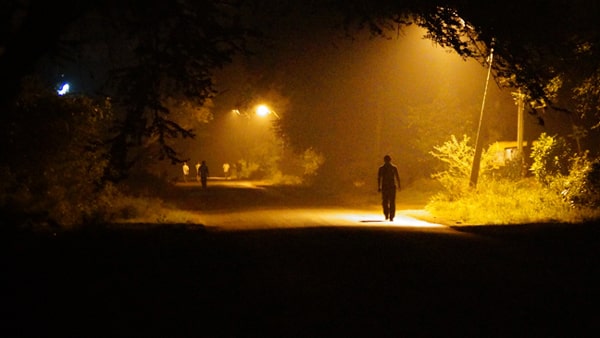
When traveling at night on a poorly lighted street with other traffic nearby, you should:

When driving in traffic at night on a dimly lit street, you should:
  1. A Reduce speed and stay alert because your headlights illuminate only a limited area
  2. B Use high beams even when they may affect other drivers
  3. C Turn the instrument-panel lights to maximum brightness
  4. D Use emergency flashers while continuing at normal speed

Correct answer: A – Reduce speed and stay alert because your headlights illuminate only a limited area

Night driving limits how far ahead you can see, particularly on poorly lighted roads. Reduce your speed and watch carefully for vehicles, pedestrians, bicyclists, and animals. Use low beams when required around other traffic rather than creating glare with high beams.

Source: Colorado Driver Handbook — “Night Driving”

Question 3

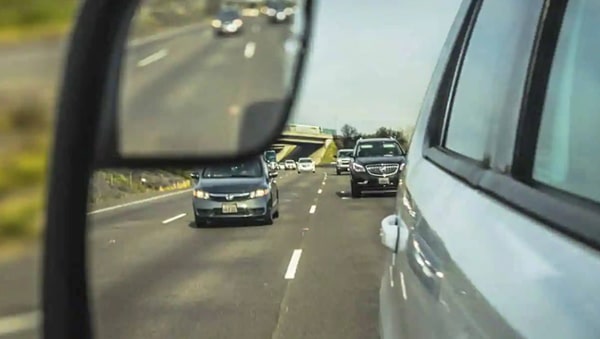
Checking your rearview mirror every five to eight seconds helps you determine whether:

You should check traffic behind you:
  1. A The road ahead is becoming narrower
  2. B A vehicle is following too closely or approaching quickly
  3. C Your headlights need adjustment
  4. D The speed limit has changed

Correct answer: B – A vehicle is following too closely or approaching quickly

Frequent rearview-mirror checks help you remain aware of traffic behind your vehicle. They reveal whether another driver is following too closely or closing the distance quickly, giving you more time to react. Check behind even more often in heavy traffic and before slowing, changing lanes, or backing.

Source: Colorado Driver Handbook — “Safe Driving Tips,” “Look Behind”

Question 4

Under Colorado law, you must use low beams when following another vehicle within:

  1. A 300 feet
  2. B 400 feet
  3. C 200 feet
  4. D 100 feet

Correct answer: C – 200 feet

When following another vehicle within 200 feet, a driver must use the low-beam distribution of the headlights. High beams at that distance can create glare in the other driver’s mirrors. The separate distance for dimming lights when meeting an oncoming vehicle is 500 feet.

Source: C.R.S. § 42-4-217(1) – Use of Multiple-Beam Lights, Colorado Driver Handbook — “Night Driving”

Question 5

The principal safety benefit of wearing a properly fastened seat belt is that it:

  1. A Prevents other vehicles from causing a collision
  2. B Helps reduce the risk or severity of injury in a crash
  3. C Eliminates the need for airbags
  4. D Makes injuries more likely

Correct answer: B – Helps reduce the risk or severity of injury in a crash

A fastened seat belt helps keep an occupant restrained and safer during a crash. It cannot prevent another driver from causing a collision, but it can reduce harmful movement inside or out of the vehicle. Each occupant should use the available restraint correctly.

Source: Colorado Driver Handbook — “Safe Driving Tips,” “Buckle Up”

Question 6

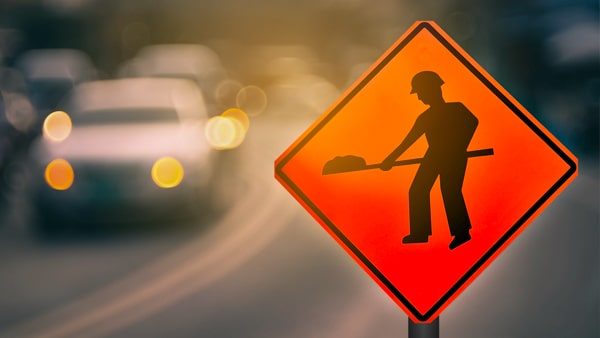
An orange diamond sign displaying a road worker warns that:

This sign means that:
  1. A A volunteer cleanup area begins ahead
  2. B Road workers may be in or near the roadway ahead
  3. C A playground is beside the road
  4. D A pedestrian crosswalk is ahead

Correct answer: B – Road workers may be in or near the roadway ahead

This sign warns that roadway work is taking place and workers may be close to traffic. In a Colorado work zone, stay focused and obey all construction signs and directions from authorized flaggers. Be prepared for equipment and changing roadway conditions.

Source: Colorado Driver Handbook — “Traffic Controls,” “Work Zone Signs”; “Work Zones”