


Florida DMV Practice Test 3

4.9 out of 5 (2117 votes)
80% Passing score
20 Questions
4 Mistakes allowed
Florida’s Class E Knowledge Exam has a pretty direct expectation: know the rules well enough to use them, not just recognize a few familiar signs and coast through the rest. This Florida DMV practice test gives you 20 questions focused on the kind of material that tends to show up where it counts: state traffic laws, safe driving habits, road rules, and those easy-to-miss details like when mobile device use becomes a legal problem behind the wheel. You need 16 correct answers to pass, which makes this more than a casual click-through. Not brutal, no, but not something to treat like background noise either. A Florida DMV permit test rewards careful reading, especially when two answers seem almost right and one tiny word changes the whole meaning. That is why this DMV permit practice test is untimed. You can slow down, reread the question, argue with yourself briefly, and figure out whether you actually know the rule or just have a favorite-looking answer. It happens. And since Florida licensing does not stop at the written exam, it is smart to understand the other pieces before they become a surprise at the counter. Applicants must pass a vision screening, with standards for visual acuity and horizontal field of vision, and some drivers may need an eye specialist report. Florida may also conduct a hearing screening, and certain drivers can be restricted to driving with a left-side outside rearview mirror or a hearing aid. None of that is especially thrilling study material. Still, it is real licensing material, which gives it a way of becoming important at the least convenient moment. The Class E Knowledge Exam may be taken at a driver license service center, through an approved third-party administrator, in certain classroom programs, or through eligible high school driver education programs. Third-party results are submitted electronically, though some applicants can be randomly selected for a mandatory no-fee retest. Fees are worth knowing too: Florida lists the original Class E license, including a learner’s license, at $48, with separate fees for knowledge and skills retests. Use this Florida DMV learners permit test practice as a serious, lawful study tool, not a magic shortcut. Pair it with the handbook and any drivers ed requirements, and you will walk into the real DMV permit test with fewer guesses, fewer little surprises, and a much better sense of what Florida expects from you on the road.
FREE DMV Practice Test App
Study for your Florida permit test or driver’s license with the NextDoorDriving app. 700+ DMV questions and answers, 100% free!
Download on the App Store

Sample Florida Permit Test Questions

Question 1

Before opening the traffic-side door of a parked vehicle, what must you verify?

  1. A The vehicle is at least two feet from the curb
  2. B The front wheels point toward the curb
  3. C Opening the door is safe and will not interfere with approaching traffic
  4. D The engine is still running

Correct answer: C – Opening the door is safe and will not interfere with approaching traffic

Florida law prohibits opening a vehicle door until doing so is reasonably safe and will not interfere with moving traffic. The official handbook specifically directs occupants to check surrounding traffic to avoid opening a door into a bicyclist or another vehicle. A traffic-side door also should not remain open longer than necessary for loading or unloading.

Source: Fla. Stat. § 316.2005 – Opening and closing vehicle doors, The Official Florida Driver License Handbook — Ch. 5, “Parking”
Question 2

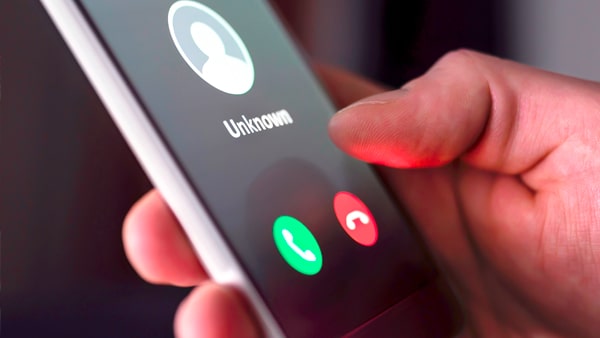
Your phone rings while you are driving. Which response best keeps your attention on the road?

If you are a minor and your cell phone rings while you are driving, you should:
  1. A Answer immediately using one hand
  2. B Let the call go unanswered while you continue driving
  3. C Answer only if you recognize the caller
  4. D Send a text explaining that you are driving

Correct answer: B – Let the call go unanswered while you continue driving

The official Florida handbook identifies talking on a cell phone as a common driving distraction. Focused attention on driving helps prevent crashes, while answering or sending a message diverts attention from the driving task. Let the call go unanswered until you are no longer driving.

Source: The Official Florida Driver License Handbook — Ch. 2, “Distracted Driving”

Question 3

A steady yellow traffic light warns that which indication will appear immediately afterward?

  1. A A flashing yellow light
  2. B A steady green light
  3. C A steady red light
  4. D A flashing red light

Correct answer: C – A steady red light

A steady yellow light warns that the related green movement is ending or that a red indication will appear immediately afterward. Stop if you can do so safely before entering the intersection. Do not accelerate merely because the signal has changed from green to yellow.

Source: Fla. Stat. § 316.075(1)(b), (3)(a) – Traffic control signal devices

Question 4

What may you do when facing a steady green light?

  1. A Enter without checking for traffic or pedestrians
  2. B Stop and wait for a green arrow
  3. C Proceed cautiously if the intersection is clear
  4. D Turn only to the right

Correct answer: C – Proceed cautiously if the intersection is clear

Florida law permits a driver facing a circular green signal to proceed cautiously straight or turn unless a sign prohibits the movement. A driver turning right or left must yield to vehicles and pedestrians lawfully within the intersection or an adjacent crosswalk. Enter only when the intended path is clear.

Source: Fla. Stat. § 316.075(1)(a)1. – Traffic control signal devices

Question 5

A vehicle suddenly moves into your following gap. What is the best way to rebuild a safe cushion?

When you follow too closely and another driver cuts suddenly in front of you, what is the best thing to do?
  1. A Swerve immediately into another lane
  2. B Brake as hard as possible
  3. C Drive onto the shoulder
  4. D Adjust your speed gradually to restore a safe following interval

Correct answer: D – Adjust your speed gradually to restore a safe following interval

The handbook recommends keeping at least a four-second following distance and increasing it during unfavorable weather or heavy traffic. If another vehicle enters that space, gradually adjust your speed to rebuild the cushion. Florida law also requires a following distance that is reasonable and prudent for the speed, traffic, and road conditions.

Source: Fla. Stat. § 316.0895(1) – Following too closely, The Official Florida Driver License Handbook — Ch. 7, “Avoiding Rear-End Collisions”

Question 6

Which driving-related ability is affected first after drinking alcohol?

  1. A Steering technique
  2. B Judgment
  3. C Muscle strength
  4. D Hearing

Correct answer: B – Judgment

The official handbook states that judgment is the first ability affected after drinking alcohol. Alcohol also reduces reaction time, vision, concentration, and vehicle-control skills. Even one drink can interfere with safe driving, and no amount of experience prevents those effects.

Source: The Official Florida Driver License Handbook — Ch. 2, “Drinking & Driving”