Georgia Permit Practice Test 4

4.9 out of 5 (154 votes)
80% Passing score
20 Questions
4 Mistakes allowed
Getting ready for the Georgia permit test is mostly about road knowledge, but not only road knowledge. You also need to understand the licensing process around it, because the DDS visit has a way of turning one missing document into a whole second trip. This Georgia DDS practice test helps you prepare for the written exam while keeping the real application process in view, which is useful, honestly, because the two are connected more than people expect. The GA practice permit test includes 20 multiple-choice questions, and you’ll need at least 16 correct answers to pass. The questions focus on Georgia driving rules, road signs, right-of-way, safe driving habits, passenger safety, and the practical details that show up in ordinary driving, not just in a handbook paragraph. Child safety seat rules, for example, are not just “extra” safety information. They are part of knowing how to drive responsibly in Georgia, whether you are on busy Atlanta roads, rural highways, or somewhere in between where the road suddenly gets narrower than you thought it would. The official Georgia DDS process also requires you to come prepared for the office visit. First-time applicants generally need proof of identity, proof of U.S. citizenship or lawful presence, a full Social Security number, and two proofs of Georgia residency. If your current legal name is different from the one on your identity document, you may also need name-change documents. Georgia residency documents must show your name and current residential address, and no, a P.O. box will not count for that. Applicants under 18 have a few more requirements layered on top. Georgia may require proof of school enrollment or an accepted alternative, and Class D applicants also need to account for parent or guardian consent, ADAP (Alcohol and Drug Awareness Program) completion, Joshua’s Law driver education requirements, a road test appointment, proper vehicle documents for the road test, and a supervised driving affidavit when required. It is a lot, a little more than people tend to assume at first glance. That is where this Georgia DDS permit test practice earns its keep. The question pool is varied, so practice sessions do not feel like you are just memorizing the same answers in the same order. You can take the learners permit practice test online from a desktop, phone, or app, then review your score summary afterward. Missed questions are shown with the correct answers, which helps you fix weak spots before the official test and before you are standing at DDS wishing you had checked one more thing.
FREE DMV Practice Test App
Study for your Georgia permit test or driver’s license with the NextDoorDriving app. 700+ DMV questions and answers, 100% free!
Download on the App Store

Sample Georgia Permit Test Questions

Question 1

Why should you frequently check your rearview and side mirrors?
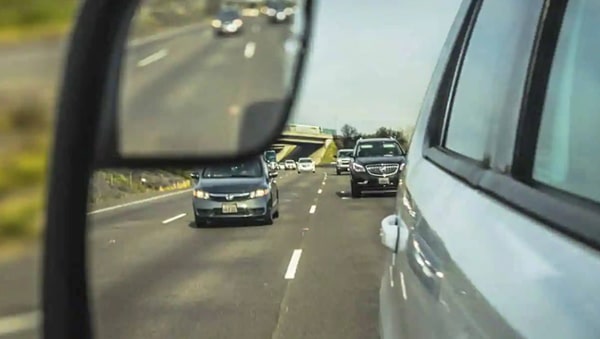
You should check traffic behind you:
  1. A. Mirror checks are needed only on expressways
  2. B. They help you track rear traffic, including a vehicle following too closely
  3. C. Mirrors should be checked only while braking
  4. D. Mirror checks are unnecessary when carrying passengers

Correct answer: B. – They help you track rear traffic, including a vehicle following too closely

Frequent mirror checks help you remain aware of traffic approaching from behind or traveling beside you. This awareness can reveal a passing vehicle or one following too closely before its presence becomes a surprise. Mirrors should be checked regularly, not only during a particular maneuver or on a certain type of road.

Source: Georgia Department of Driver Services Drivers Manual — Section 8, “Tips For Expressway Driving”
Question 2

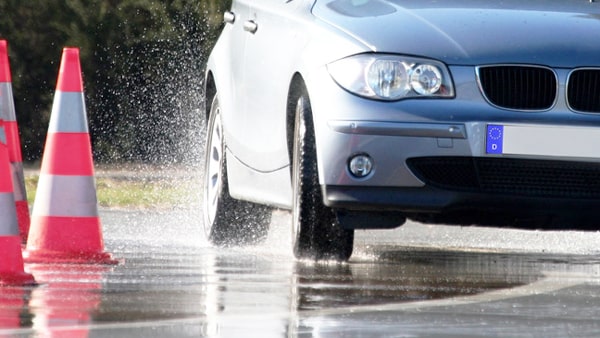
When is pavement often most slippery during rainfall?

The road surface is most slippery:
  1. A. Only during a severe thunderstorm
  2. B. After the rain has ended and the road has dried
  3. C. During the first part of the rainfall
  4. D. Only when rain continues for several hours

Correct answer: C. – During the first part of the rainfall

The first half-hour of rainfall can be especially hazardous. Water mixes with oil and other substances on the road surface before they are washed away, reducing tire grip. Slow down and avoid sudden braking or sharp steering when the pavement becomes wet.

Source: Georgia Department of Driver Services Drivers Manual — Section 7, “Slippery When Wet Sign”, Georgia Department of Driver Services Drivers Manual — Section 8, “Skidding”

Question 3

At a curb marked by a NO PARKING sign, which stop is excluded from Georgia’s legal definition of parking?

  1. A. Stopping there whenever the driver remains behind the wheel
  2. B. Stopping briefly while actually loading or unloading passengers or property
  3. C. Leaving the vehicle unattended for less than five minutes
  4. D. Waiting there until another parking space becomes available

Correct answer: B. – Stopping briefly while actually loading or unloading passengers or property

Georgia defines parking as leaving a vehicle standing, occupied or not, except while it is temporarily and actually being used to load or unload passengers or property. Simply remaining in the driver’s seat does not create an exception. The law’s definition also provides no general five-minute grace period.

Source: O.C.G.A. § 40-1-1(40) – Definitions

Question 4

A school bus ahead on your side of the road is stopped with its red visual signals operating. What must you do?

  1. A. Stop before reaching the bus and wait until it moves or deactivates its signals
  2. B. Move left and pass at a reduced speed
  3. C. Stop only until the last visible passenger reaches the curb
  4. D. Continue unless the bus driver personally signals you

Correct answer: A. – Stop before reaching the bus and wait until it moves or deactivates its signals

A driver approaching a stopped school bus with its required visual signals operating must stop before reaching the bus. The driver may not proceed until the bus resumes motion or its visual signals are no longer operating. The exception for opposing traffic on a physically separated roadway does not apply to a vehicle approaching on the bus’s side.

Source: O.C.G.A. § 40-6-163(a)–(b) – Duty of Driver of Vehicle Meeting or Overtaking School Bus; Reporting of Violations; Civil Monetary Penalty for Violations Captured by School Bus Camera

Question 5

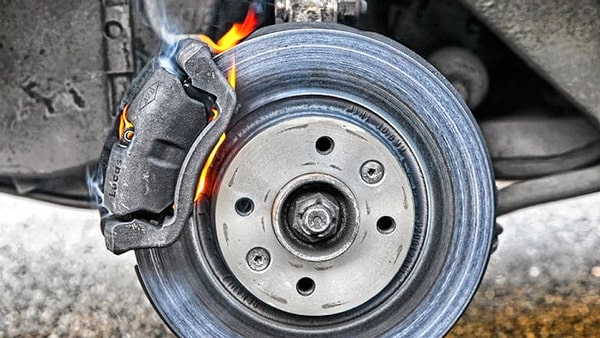
If your vehicle’s brakes fail, which actions can help you bring it to a stop?

If you experience brake failure while driving, you should:
  1. A. Shift into a lower gear
  2. B. Use the parking brake
  3. C. Look for a safe area where the vehicle can slow and stop
  4. D. All of the above

Correct answer: D. – All of the above

If the brakes fail, shift into a lower gear to help reduce speed and use the parking brake. Continue steering and look for a safe area where the vehicle can slow to a stop. The driver’s manual also identifies rubbing a tire against a curb as a possible emergency measure.

Source: Georgia Department of Driver Services Drivers’ Manual — § 8, “Other Highway Emergencies”

Question 6

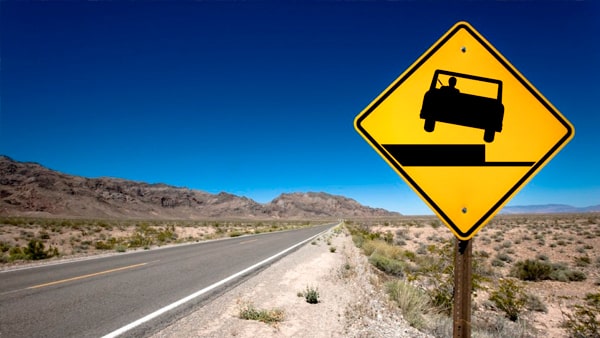
What is the main hazard indicated by a SOFT SHOULDER warning sign?

What should you be most concerned about when you see this sign?
  1. A. The travel lane changes direction ahead
  2. B. Water commonly covers the roadway
  3. C. The shoulder is intended for ordinary passing
  4. D. The shoulder may be unstable, and an abrupt return to the pavement could cause loss of control

Correct answer: D. – The shoulder may be unstable, and an abrupt return to the pavement could cause loss of control

A SOFT SHOULDER sign warns that the roadside shoulder is not suitable for ordinary driving and should be used only in an emergency. If your vehicle leaves the pavement, reduce speed and avoid braking hard or jerking the steering wheel. An abrupt attempt to return can cause a skid, rollover, or movement into another traffic lane.

Source: Georgia Department of Driver Services Drivers’ Manual — § 7, “Soft Shoulder Sign”; § 8, “Leaving the Roadway”