


Massachusetts Permit Test Practice 4

4.8 out of 5 (723 votes)
80% Passing score
20 Questions
4 Mistakes allowed
Massachusetts gives new drivers a fairly clear licensing path, but clear does not mean casual. The permit test is the first real checkpoint, and this MA practice permit test is built to help you treat it that way — calmly, carefully, and with enough repetition that the rules start to feel familiar instead of memorized five minutes before the exam. This fourth Massachusetts practice permit test includes 20 multiple-choice questions covering road safety, child passenger safety, and the kind of practical driving knowledge the RMV expects you to understand before you get behind the wheel with a permit. The child safety seat material deserves a little extra attention, too. It is one of those topics people sometimes rush through because it feels separate from “regular” driving, except it is not separate at all. Passenger safety is part of driving, especially when the passenger cannot buckle, adjust, or protect themselves without you doing it correctly. For teen drivers, the permit is also the doorway into the Junior Operator License program. You can apply for a Massachusetts Class D learner’s permit at 16, but moving forward takes more than simply passing one test and waiting around. Drivers under 18 must hold the permit for at least 6 consecutive months, keep a clean record, complete RMV-approved driver education, finish the required supervised driving practice, and pass the Class D road test before earning a Junior Operator License at 16½. During the permit stage, you must drive with a qualified licensed adult beside you, and late-night driving restrictions apply. So, yes, the written exam is only one step — but it is the step that gets the whole process moving. This Mass RMV learners permit practice test lets you work through the material without a timer breathing down your neck. You can slow down, reread the wording, and sort out why one answer is better than the others. That is the part that matters. Clicking through questions quickly might feel productive, in a noisy sort of way, but the real value comes from understanding the explanation afterward, especially when you miss something you thought you knew. At the end, you will see a summary of your answers, including the correct responses and explanations. A score of 16 out of 20 is the target here, and it is a useful benchmark before you move on to the official Massachusetts permit test. Adult first-time drivers have a simpler licensing path than teens — no required driver education after 18 — but they still need to pass the learner’s permit exam before practicing for the road test. Either way, this Massachusetts driving permit practice test gives you a more grounded, less frantic way to prepare.
FREE DMV Practice Test App
Study for your Massachusetts permit test or driver’s license with the NextDoorDriving app. 700+ DMV questions and answers, 100% free!
Download on the App Store

Sample Massachusetts Permit Test Questions

Question 1

How should you brake during an emergency stop in a vehicle equipped with antilock brakes?
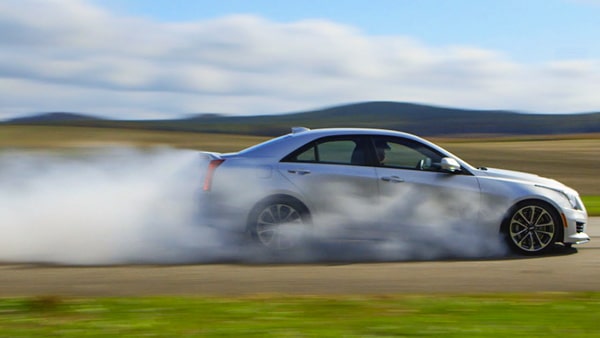
What should you do if you have to stop your vehicle in an emergency?
  1. A. Apply firm, continuous brake pressure without pumping
  2. B. Pump the brake pedal repeatedly
  3. C. Shift into park before applying the brakes
  4. D. Release the brakes completely to prevent a skid

Correct answer: A. – Apply firm, continuous brake pressure without pumping

With an antilock braking system, press the brake pedal firmly and maintain steady pressure. Do not pump an ABS brake pedal because the system automatically adjusts braking to help prevent wheel lockup. Keep steering toward a safe path while the system operates and continue braking until the vehicle stops.

Source: Massachusetts Driver’s Manual (rev. Apr. 2026) — Ch. 2, “Braking and Stopping”

Question 2

What should you do when you begin feeling sleepy behind the wheel?

  1. A. Move to the right lane and keep driving
  2. B. Rely on coffee to remain alert
  3. C. Leave the road at a safe place and rest
  4. D. Increase speed to shorten the trip

Correct answer: C. – Leave the road at a safe place and rest

Do not continue driving when you feel tired or drowsy. Leave the roadway at a safe location and rest; if possible, avoid beginning the trip until you have had enough sleep. Coffee or a short nap may help temporarily, but the manual emphasizes that adequate sleep and not driving while tired provide the real protection.

Source: Massachusetts Driver’s Manual (rev. Apr. 2026) — Ch. 2, “Drowsy Driving”

Question 3

Which statements describe hazards that can make a roadway slippery?

  1. A. Wet leaves can be as slippery as ice
  2. B. Early rain can mix with road dirt and oil to form a greasy film
  3. C. Ice may form first on bridges, overpasses, and shaded areas
  4. D. All of the above

Correct answer: D. – All of the above

Each listed condition can reduce traction. Wet leaves can be extremely slippery, and the beginning of rainfall may create a greasy mixture of water, dirt, and oil. Bridges, overpasses, and shaded locations can develop ice even when nearby pavement appears clear, so reduce speed and avoid sudden braking or steering.

Source: Massachusetts Driver’s Manual (rev. Apr. 2026) — Ch. 2, “Driving in Rain or Fog” and “Winter Driving”

Question 4

Before moving into the left lane to pass another vehicle, when should you activate your signal?

  1. A. Only after entering the passing lane
  2. B. After reaching the front of the other vehicle
  3. C. Only if another vehicle is directly behind you
  4. D. Before changing lanes, after confirming the lane is clear

Correct answer: D. – Before changing lanes, after confirming the lane is clear

The Massachusetts manual instructs drivers to check the passing lane, mirror, and blind spot before passing. Signal left before gradually moving into the passing lane. After safely passing and establishing enough clearance, signal right before returning to the original lane.

Source: Massachusetts Driver’s Manual (rev. Apr. 2026) — Ch. 3, “Passing on the Left”

Question 5

In Massachusetts, when may you make a left turn at a steady red signal?

  1. A. Whenever no opposing vehicle is visible
  2. B. From a two-way street onto a one-way street
  3. C. From a one-way street onto another one-way street, after stopping and yielding
  4. D. Whenever the vehicle ahead makes the same turn

Correct answer: C. – From a one-way street onto another one-way street, after stopping and yielding

A left turn on red is permitted when you are traveling on a one-way street and turning onto another one-way street. You must first make a complete stop and yield to pedestrians and other vehicles in your path. Do not make the turn when a sign prohibits turning on red.

Source: Massachusetts Driver’s Manual (rev. Apr. 2026) — Ch. 3, “Steady Red Circle”

Question 6

What is the proper way to look behind your vehicle while backing?

When backing up your car, you should:
  1. A. Depend only on the inside and outside mirrors
  2. B. Turn and look through the rear window over your right shoulder while backing slowly
  3. C. Look only over your left shoulder
  4. D. Watch only the rearview camera display

Correct answer: B. – Turn and look through the rear window over your right shoulder while backing slowly

Before backing, check the area around the vehicle and look over both shoulders for hazards. While moving in reverse, turn and look through the rear window over your right shoulder and proceed slowly. Mirrors, sensors, and cameras can help, but they should not replace directly checking the path behind the vehicle.

Source: Massachusetts Driver’s Manual (rev. Apr. 2026) — Ch. 3, “Backing Up”