


Montana DMV Test Evaluation

4.5 out of 5 (78 votes)
80% Passing score
10 Questions
2 Mistakes allowed
A Montana DMV permit test practice session should do more than toss a few random road-rule questions at you and call it preparation. This one gives you a quick, useful read on whether the basics are actually sticking: traffic laws, road signs, signals, pavement markings, safe driving habits, impaired-driving rules, and the everyday judgment Montana expects from a Class D driver. It is only 10 questions, which is manageable, almost deceptively so, but that is the point. You can get through it without turning the whole afternoon into a study event. To pass this Montana permit practice test, you need 8 correct answers out of 10. That is a solid score for a first check, though it is not the same thing as passing the official exam. Montana’s real Class D knowledge test has 33 multiple-choice questions, and you need 27 correct to pass. In plain terms, you can miss 6. So if you do well here, good. Keep going anyway. The questions are built around the material Montana expects applicants to study in the Driver Manual, including regulatory signs, warning signs, right-of-way rules, sharing the road, alcohol and drug laws, and general safe-driving practices. Road signs are mixed into the knowledge requirement, not tucked away as some optional extra, and Montana expects you to know what a sign means and what your next move should be when you see it. That second part matters more than people like to admit. The online format keeps the whole thing easy to use. You can practice from a phone, laptop, or app, whenever you have a few minutes and enough patience to think clearly. Some questions may include images, which helps with sign recognition and visual driving situations that do not always translate neatly into manual-speak. For teen drivers, this practice test fits into the bigger graduated licensing picture: learner permit, supervised driving, and the first-year restricted license stage. Adults and new Montana residents can use it as a practical warm-up before dealing with the written test, vision screening, required documents, and road test. Montana has its own rules, ages, retake limits, and paperwork details — a lot of little pieces, honestly — and this practice test is a clean place to start getting them under control.
FREE DMV Practice Test App
Study for your Montana permit test or driver’s license with the NextDoorDriving app. 700+ DMV questions and answers, 100% free!
Download on the App Store

Sample Montana Permit Test Questions

Question 1

Compared with passenger cars, large trucks generally need:
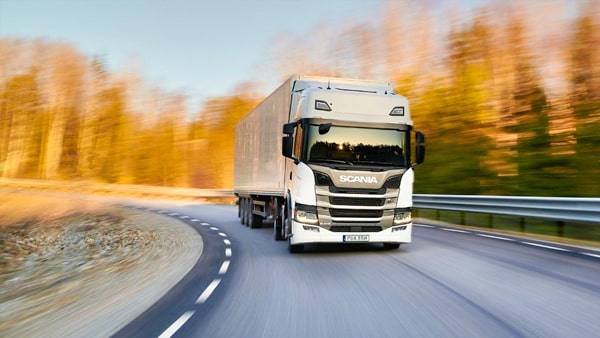
When sharing the road with a truck, it is important to remember that, in general, trucks:
  1. A More distance to stop
  2. B Less time to pass on a downgrade
  3. C Less room to complete a turn
  4. D Less time to pass while climbing a hill

Correct answer: A – More distance to stop

Large trucks generally need more stopping room than passenger cars. Their size, weight, and braking systems affect how quickly they can stop; air-brake systems also have a brief lag before the brakes take effect. Drivers should leave adequate space when moving in front of a truck.

Source: Montana Commercial Driver’s License Manual — § 2.7, “Managing Space”, Montana Commercial Driver’s License Manual — § 5.4.4, “Stopping Distance”

Question 2

If vehicle trouble forces you to stop on a highway, what should you do to help approaching drivers see your vehicle?

  1. A Activate your emergency flashers
  2. B Leave the vehicle angled into traffic
  3. C Keep one turn signal operating
  4. D Use high-beam headlights

Correct answer: A – Activate your emergency flashers

Move the vehicle off the roadway and away from traffic if possible. Turn on the emergency flashers to warn approaching drivers that your vehicle is stopped because of trouble. If you cannot leave the roadway, stop where other drivers have a clear view of the vehicle.

Source: Montana Driver Manual — Ch. 5, “Use Emergency Signals”

Question 3

Which statement about medication and driving is correct?

Which of these statements is true about driving and taking drugs?
  1. A Only illegal drugs can impair driving
  2. B Nonprescription drugs can impair driving
  3. C Prescription drugs are safe whenever you feel awake
  4. D All medications improve alertness

Correct answer: B – Nonprescription drugs can impair driving

Prescription and over-the-counter medicines can cause drowsiness or otherwise interfere with safe driving. Montana defines a drug as any substance that can impair a person’s ability to operate a vehicle safely, and driving under the influence of any drug is prohibited. Read medication warnings and ask a doctor or pharmacist if you are uncertain.

Source: MCA § 61-8-1001(7) – Definitions, MCA § 61-8-1002(1)(a) – Driving Under Influence, Montana Driver Manual — Ch. 6, “Other Drugs & Driving”

Question 4

When approaching a steep downgrade on a snow- or ice-covered road, you should:

  1. A Follow another vehicle closely for traction
  2. B Pump the brakes continuously
  3. C Slow down and use a lower gear if needed
  4. D Accelerate quickly to prevent skidding

Correct answer: C – Slow down and use a lower gear if needed

Snow and ice greatly reduce tire traction, requiring a substantial reduction in speed. The steep-grade warning advises drivers to check their brakes and indicates that a lower gear may be needed. Accelerating rapidly, following closely, or making abrupt braking movements increases the likelihood of losing control.

Source: Montana Driver Manual — Ch. 3, “Warning Signs—Hill”; Ch. 5, “Slippery Roads”

Question 5

What is the best way to reduce fatigue during a long drive?

  1. A Rely on the radio to remain awake
  2. B Drive more slowly without stopping
  3. C Stop for rest breaks about every two hours
  4. D Move your eyes from side to side

Correct answer: C – Stop for rest breaks about every two hours

Fatigue reduces alertness, slows decision-making, and can cause a driver to fall asleep. On a long trip, the manual recommends stopping about every two hours or whenever a break is needed. If you become sleepy, stop driving and rest rather than relying on music, fresh air, or willpower alone.

Source: Montana Driver Manual — Ch. 6, “Fatigue”

Question 6

Which driving habit helps other road users anticipate your movements?

  1. A Communicating your intentions with signals and vehicle position
  2. B Ignoring drivers who are outside your lane
  3. C Using side streets whenever possible
  4. D Avoiding all driving during busy periods

Correct answer: A – Communicating your intentions with signals and vehicle position

Crashes can occur when one driver does not see another or is surprised by an unexpected movement. Use turn signals before turning, changing lanes, merging, passing, or parking. Brake lights, headlights, vehicle position, and appropriate horn use can also help communicate your presence and intentions.

Source: Montana Driver Manual — Ch. 5, “Communicating” and “Use Your Signals to Communicate”