New Hampshire DMV Practice 2
80% Passing score
20 Questions
4 Mistakes allowed
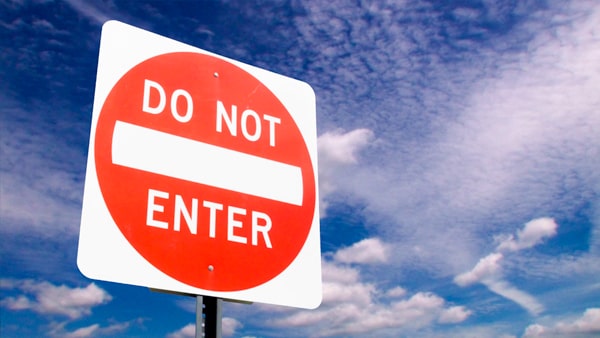
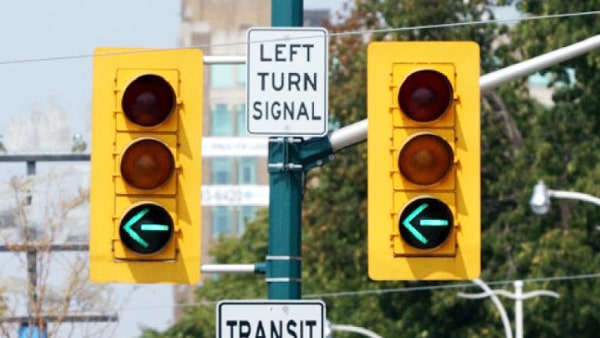
New Hampshire handles new-driver licensing in its own slightly stubborn way, and that matters when you are studying for the NH DMV written test. The state does not issue a standard learner’s permit for first-time non-commercial drivers, which is one of those facts people tend to discover later than they should. You may be allowed to practice under supervised-driving rules at 15½, but the real licensing path still comes down to the DMV’s required steps: vision screening, knowledge test, and road test. So the practice test is not just warm-up material. It is where you start getting fluent in the rules before the official touch-screen test starts counting every miss. This New Hampshire DMV practice test is designed around the material that actually belongs in that room with you: road signs, traffic signals, pavement markings, lane rules, safe driving practices, impaired-driving rules, and the ordinary traffic-law details that sound simple until they are written in DMV language. The official knowledge test has 40 multiple-choice questions, and you need 32 correct answers to pass. That is 80%, with only 8 misses available before you are done. And, small but important detail, if the test ends because you miss too many or run out of time, the next retest appointment cannot be sooner than 10 days away. Road signs need more attention than many people give them. New Hampshire does not use a separate road-sign-only test for a standard operator license; sign questions are folded into the overall knowledge test score along with road rules and safe-driving judgment. That means you need to recognize more than the obvious ones. Warning signs, prohibitive signs, guide signs, traffic signals, pavement markings, school zones, railroad crossings, deer crossings—yes, the deer ones matter here—and those lane-control signs that people swear they know until they have to choose between two almost-right answers. A solid NH DMV signs practice test should make you slow down in the useful way. Not panic-slow. Study-slow. You answer, check the explanation, notice what you mixed up, and then stop making the same mistake three questions later. That is the whole value of practice: not pretending you already know the manual, but turning the manual into quick recognition. On New Hampshire roads, especially the darker rural stretches and winter-slick routes, that recognition is not just for passing. It is the part you actually use.