South Carolina Permit Practice Test 2

4.9 out of 5 (158 votes)
80% Passing score
20 Questions
4 Mistakes allowed
A South Carolina beginner’s permit starts with the knowledge test, but the test is only one piece of the whole SCDMV process. That is why this SC permit practice test is built around the official South Carolina driver’s manual, not random trivia or recycled questions from who knows where. The real DMV permit test pulls from that same manual, so your time is better spent getting comfortable with the rules the state actually expects you to know: road signs, right-of-way, seat belt requirements, safe following distance, lane use, and all the small driving-law details that somehow become very important once you are answering multiple-choice questions under pressure. This South Carolina practice permit test gives you 20 questions at a time, which is enough to show where you are solid and where you are still doing that half-confident guessing thing. New drivers can use it before applying for a beginner’s permit, but it is also useful for license renewals, older drivers brushing up, or anyone who has not looked closely at the SC driver’s manual in years. You can take it whenever you have time, go back through missed questions, and build up a steadier sense of what the real permit test is likely to ask. A few SCDMV details are worth knowing before you get too far into test prep. South Carolina knowledge testing is done in person at SCDMV branches, and you need to arrive before 4 p.m. if you plan to take the knowledge test that day. For an original license or a license-class upgrade, the SCDMV generally requires vision, knowledge, and road testing. The vision screening can be completed at the branch, or you may submit a Certificate of Vision Examination from an ophthalmologist or optometrist dated within the past 36 months. The screening checks for 20/40 vision or better, and if glasses or contacts are needed, that correction will be listed as a license restriction. Bring your documents, too, because this is where people lose time in the most boring way possible. First-time applicants need their Social Security number, proof of identity, date of birth, citizenship or lawful presence, and South Carolina address. REAL ID applicants need two proofs of current physical South Carolina address, and applicants under 18 need an authorized adult’s signature and the required minor consent form. The knowledge test fee is $2.00, and the beginner’s permit costs $2.50 after you pass. Use this SC permit practice test as your low-pressure run-through before the real thing, so by the time you walk into the SCDMV, the rules feel familiar.
FREE DMV Practice Test App
Study for your South Carolina permit test or driver’s license with the NextDoorDriving app. 700+ DMV questions and answers, 100% free!
Download on the App Store

Sample South Carolina Permit Test Questions

Question 1

In South Carolina, what happens if a driver arrested for DUI refuses the requested chemical test?
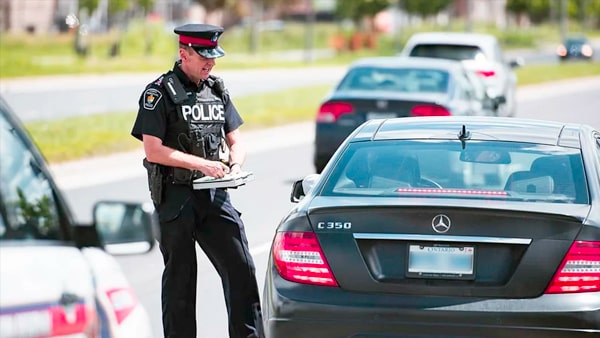
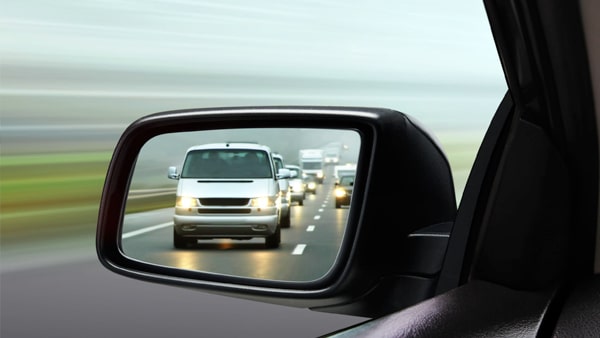
A police officer stops you because he suspects you are DUI. You refuse to take a chemical test. What happens now?
  1. A The driver’s license or operating privilege is suspended
  2. B The vehicle is automatically forfeited
  3. C The driver becomes ineligible for bail
  4. D The DUI charge must be dismissed

Correct answer: A – The driver’s license or operating privilege is suspended

Refusing the requested test triggers an administrative suspension regardless of the eventual DUI case outcome. For a person with no qualifying conviction or suspension during the preceding ten years, the refusal suspension is six months. Qualifying prior history increases refusal suspensions to nine, twelve, or fifteen months. The statute also provides an ignition-interlock option for ending the remaining suspension under specified conditions.

Source: S.C. Code § 56-5-2951(A), (I) — Suspension of license for refusal to submit to testing or for certain level of alcohol concentration; contested case hearing request; Ignition Interlock Device Program enrollment; temporary alcohol license; administrative hearing; restricted driver’s license; penalties
Question 2

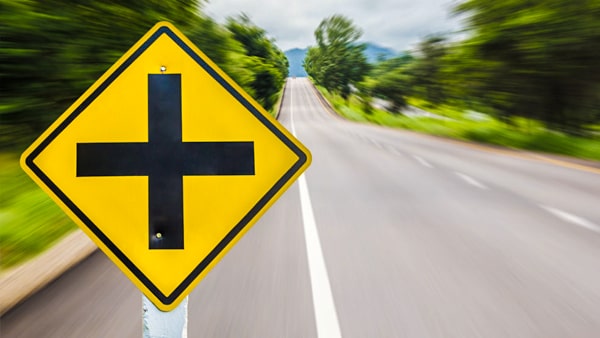
A yellow diamond sign displaying a black cross warns of what ahead?

This sign shows one type of:
  1. A A crossroad intersection
  2. B A winding roadway
  3. C A required right turn
  4. D A lane shift

Correct answer: A – A crossroad intersection

The cross symbol is a warning that another roadway intersects the road ahead. Watch for vehicles entering or crossing your path and be prepared for any traffic controls at the intersection. Warning signs are generally yellow with black symbols and commonly have a diamond shape.

Source: South Carolina Driver’s License Manual — § 6, “Warning Signs”

Question 3

If your vehicle becomes disabled on a highway, you should:

  1. A Move it off the road and away from traffic if possible
  2. B Turn on the emergency flashers
  3. C If available, place emergency flares about 200 to 300 feet behind it
  4. D Do all of these

Correct answer: D – Do all of these

If a breakdown forces you to stop, move the vehicle off the roadway and away from traffic when possible. Activate the emergency flashers to show that the vehicle is disabled. If emergency flares are available, the manual recommends placing them about 200 to 300 feet behind the vehicle to give approaching drivers time to react.

Source: South Carolina Driver’s License Manual — § 9, “Vehicle Breakdown”

Question 4

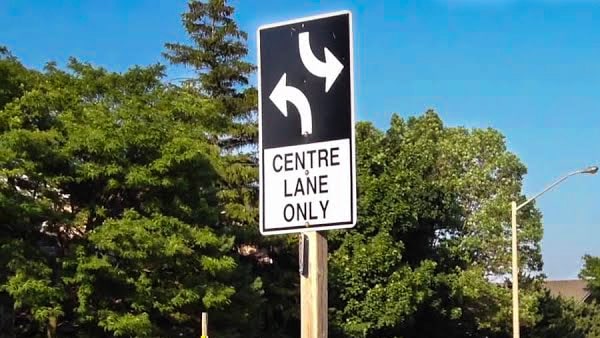
In South Carolina, what is a two-way center left-turn lane intended for?

From the center lane, what maneuvers can you perform?
  1. A Preparing for or making a left turn
  2. B Traveling continuously between intersections
  3. C Passing slower vehicles
  4. D Temporary parking

Correct answer: A – Preparing for or making a left turn

A two-way center left-turn lane is reserved for vehicles preparing for or making left turns from or into the roadway. It is not a regular travel lane and may not be used to pass other vehicles. State law also permits use of the lane when preparing for or making a U-turn if that U-turn is otherwise legal.

Source: S.C. Code § 56-5-2120(d) — Required position and method of turning, South Carolina Driver’s License Manual — § 6, “Shared Center Lane Left Turn Only”

Question 5

Another vehicle starts passing you on the left. What should you do?

The car behind you begins to pass you. You should:
  1. A Move toward the left side of your lane
  2. B Accelerate until the vehicle falls behind
  3. C Stay in your lane and keep a steady speed without accelerating
  4. D Brake to a stop in the travel lane

Correct answer: C – Stay in your lane and keep a steady speed without accelerating

South Carolina law prohibits an overtaken driver from increasing speed until the passing vehicle has completely passed. The driver’s manual also instructs you to remain in your lane and maintain a constant speed. Predictable movement gives the passing driver a better opportunity to complete the maneuver safely.

Source: S.C. Code § 56-5-1840(2) – Overtaking and passing vehicles proceeding in same direction, South Carolina Driver’s Manual — § 7, “Passing”

Question 6

Before changing lanes on a freeway, you must:

When changing lanes on a freeway, you should:
  1. A Verify that the move is safe and signal your intention
  2. B Cross several lanes in one continuous movement
  3. C Wait until another driver flashes the headlights
  4. D Sound the horn instead of signaling

Correct answer: A – Verify that the move is safe and signal your intention

A vehicle may not move right or left on a roadway until the driver determines that the movement can be made with reasonable safety and gives an appropriate signal. The vehicle should remain within one lane until the driver has verified that changing lanes is safe. Check surrounding traffic and blind spots before moving.

Source: S.C. Code § 56-5-2150(A) – Turning movements and required signals, S.C. Code § 56-5-1900(a) – Driving on roadways laned for traffic