


South Dakota Practice Drivers Test 4

5 out of 5 (151 votes)
80% Passing score
20 Questions
4 Mistakes allowed
South Dakota’s permit process starts earlier than it does in a lot of places, and that matters. A 14-year-old can apply for an Instruction Permit here, which means the South Dakota driving permit test is not just a formality or a quick little hurdle before the real learning begins. It is part of the learning. This SD DMV practice test is built around that reality, with 20 multiple-choice questions covering general driving knowledge, traffic laws, road signs, defensive driving, and one area people sometimes treat too casually: child passenger safety. The child safety seat questions are there for a reason. South Dakota law requires children under age five and under 40 pounds to be properly restrained in an approved car seat or booster seat. That sounds simple enough when it is written out plainly, but test questions tend to press on the details — age, weight, restraint type, and when a child is actually ready to move from one setup to another. So, yes, this driver test practice spends time on it. Not in a dramatic way. Just in the practical, “you are responsible for the people in your vehicle” way. This South Dakota drivers permit practice test also works in the licensing facts that applicants need to keep straight. Teen applicants need parent or guardian consent, required documents, a vision test, and the knowledge test unless they qualify for a waiver through an approved driver education certificate. That certificate can waive testing for one year from course completion, which is a nice benefit — assuming you actually know about it before you show up. Adult applicants have a slightly different path. If you are 18 or older, you still need to pass the vision and knowledge tests to receive an Instruction Permit. While driving on that permit, you must be supervised by an adult with a valid license, at least one year of driving experience, and a seat beside you. Before moving up to an Operator License, you will need to pass the drive test. There are a few residency and renewal details mixed in too: new residents generally have 90 days to apply for a South Dakota license, CDL holders have 30 days, and a South Dakota license expired more than 30 days means an in-person exam station visit and another knowledge test. Use this South Dakota driver permit practice test more than once. A score of 80% or higher is the target, but the better goal is quieter and more useful: knowing the rules well enough that the real South Dakota DMV test feels familiar.
FREE DMV Practice Test App
Study for your South Dakota permit test or driver’s license with the NextDoorDriving app. 700+ DMV questions and answers, 100% free!
Download on the App Store

Sample South Dakota Permit Test Questions

Question 1

A school bus stops on a two-lane road with its red lights flashing and stop arm extended. What must drivers approaching from the opposite direction do?
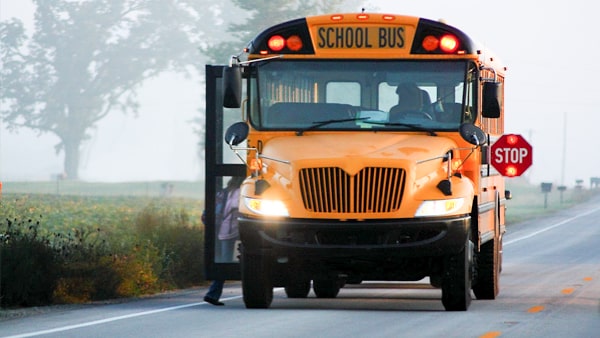
If a school bus stops to unload children on a two-lane highway, vehicles traveling in the opposite direction are:
  1. A Continue without stopping
  2. B Signal and pass slowly
  3. C Stop, then proceed immediately if no children are visible
  4. D Stop and remain stopped until the bus’s signals are no longer operating

Correct answer: D – Stop and remain stopped until the bus’s signals are no longer operating

Drivers approaching a stopped school bus on a two-lane roadway must stop when the bus’s red lights are flashing or its stop arm is extended. They must remain stopped until the warning signals are no longer operating and it is lawful to proceed. Afterward, move slowly and continue watching for children near or crossing the roadway.

Source: SDCL § 32-32-6, South Dakota Driver License Manual — General Driving, “Rules for School Buses”

Question 2

An emergency vehicle using flashing lights and a siren approaches from behind. What must you do?

  1. A Move as close as possible to the right edge, clear the intersection, and stop
  2. B Accelerate until you find an exit
  3. C Remain in your lane and reduce speed
  4. D Stop immediately in the travel lane

Correct answer: A – Move as close as possible to the right edge, clear the intersection, and stop

Upon the immediate approach of an authorized emergency vehicle using the required signals, move parallel and as close as possible to the right edge or curb. Clear any intersection, stop, and remain stopped unless directed otherwise by an officer. On a one-way road, the law permits moving to the nearest edge or curb.

Source: SDCL § 32-31-6, South Dakota Driver License Manual — Sharing the Road, “Emergency Vehicles”

Question 3

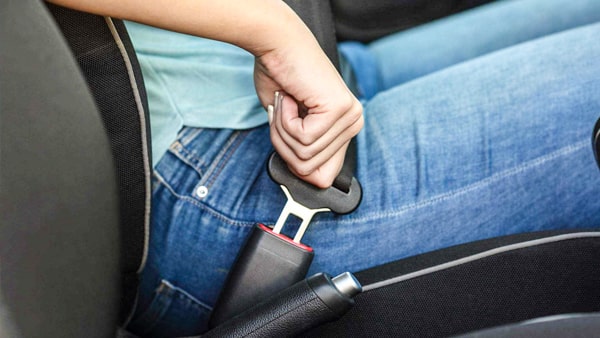
Seat belts provide the greatest protection when they are worn by:

Seat belts can be most effective as injury preventive devices when they are worn by:
  1. A Only the driver
  2. B Passengers only during long trips
  3. C Everyone only when traveling on an expressway
  4. D The driver and all passengers on every trip

Correct answer: D – The driver and all passengers on every trip

Seat belts help keep occupants inside the vehicle and properly positioned during a collision. Their protection is not limited to drivers, highway travel, or long trips. For the greatest benefit, the driver and every passenger should use a properly adjusted seat belt whenever the vehicle is moving.

Source: South Dakota Driver License Manual — Before You Drive, “Using Seatbelts”

Question 4

What should you do before entering a sharp curve?

When you approach a sharp curve in the road, you should:
  1. A Wait until you are in the curve before braking hard
  2. B Reduce to a safe speed before entering the curve
  3. C Accelerate into the curve and brake while leaving it
  4. D Accelerate throughout the curve to increase tire grip

Correct answer: B – Reduce to a safe speed before entering the curve

Reduce your speed before entering a curve, especially when traction is poor or you cannot see through the entire curve. Entering at a safe speed allows you to apply slight, steady acceleration while following the curve. Hard braking after entering may cause the tires to lose traction and make the vehicle more difficult to control.

Source: South Dakota Driver License Manual — Safe Driving Tips, “Speed Management—Curves”

Question 5

Before opening a parked vehicle’s door on the traffic side, what should you do?

  1. A Check behind you for vehicles, motorcycles, and bicycles
  2. B Open the door partly so approaching traffic will stop
  3. C Give a left-turn hand signal
  4. D Sound the horn

Correct answer: A – Check behind you for vehicles, motorcycles, and bicycles

Use the curb-side door when possible. If you must exit on the traffic side, check carefully for approaching vehicles, motorcyclists, and bicyclists before opening the door. Open it only when doing so will not interfere with traffic, and close it as soon as possible after exiting.

Source: South Dakota Driver License Manual — General Driving, “Parking”

Question 6

Which action helps prevent fatigue during a long drive?

  1. A Relying on the radio to stay awake
  2. B Driving more slowly while continuing without a break
  3. C Planning regular stops about every 100 miles or two hours
  4. D Moving your eyes from side to side

Correct answer: C – Planning regular stops about every 100 miles or two hours

Fatigue can affect vision, judgment, and the time needed to make decisions. The driver manual recommends getting adequate sleep and planning to stop about every 100 miles or two hours. If you begin feeling tired, leave the roadway at the next safe exit or rest area and take a short nap or stop for the night.

Source: South Dakota Driver License Manual — Be in Shape to Drive, “Fatigue”