Vermont Road Signs Test Simulator
80% Passing score
25 Questions
5 Mistakes allowed
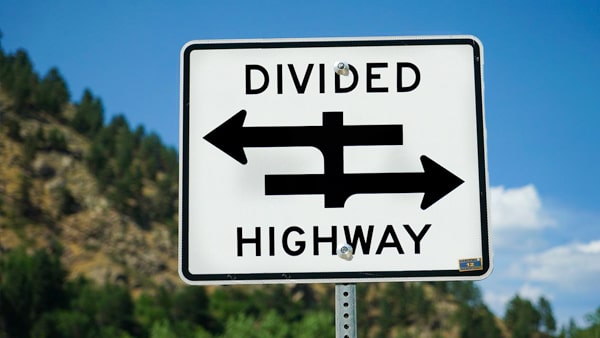
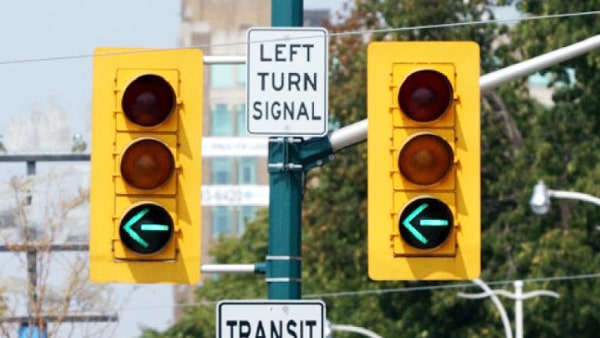
This Vermont DMV practice test is designed for the part of permit prep that tends to matter most once you stop just reading the manual and start trying to answer questions under test conditions: signs, signals, traffic laws, right-of-way rules, safe driving judgment, and all the small Vermont-specific details that can blur together if you only study them once. The official Vermont learner permit knowledge test is taken online through myDMV, and it uses a 20-question multiple-choice format. Each question gives you 4 answer choices, with only 1 correct answer. You need 16 correct answers to pass, which works out to 80%, so there is room to miss a few — 4, exactly — but not enough room to treat the test like a casual skim-through of the Driver’s Manual. That is where practice starts to earn its keep, even if “practice test” sounds a little plain. This Vermont DMV permit test simulator follows that same basic structure: 20 questions, a passing target of 16 correct, and material pulled from the kinds of topics the real test is built around. Road signs get special attention here, and for good reason. Vermont does not have a separate road-sign-only test for a standard learner permit, but signs are included in the main knowledge test, along with traffic signals, pavement markings, lane markings, work zones, intersections, and rules for sharing the road with pedestrians, bicyclists, motorcycles, trucks, and other drivers. So, no, signs are not some tiny bonus category tucked away in the corner. They are part of the main event. The question pool is built so repeat practice does not feel like clicking through the same predictable script every time. Some questions include visual aids, which is useful because road signs are visual by design; in actual driving, you are not handed a neat little paragraph before deciding what a sign means. You see the shape, the color, the symbol, maybe for half a second longer than you would like, and then you respond. For younger applicants, Vermont allows a learner permit at age 15, with parent or guardian permission required for applicants who are 15, 16, or 17 unless they are emancipated. Teens have additional licensing steps after the permit, including driver education, a 1-year permit holding period before a Junior Driver’s License, and 40 hours of supervised practice, with 10 of those hours at night. Adults skip those teen-specific requirements, but not the knowledge test itself. Use this Vermont DMV practice test to make the official online permit test feel less unfamiliar, less rushed, and less like a pile of rules you only sort of recognize.