Virginia DMV Learners Permit Practice Test 9

4.9 out of 5 (224 votes)
80% Passing score
20 Questions
4 Mistakes allowed
Virginia’s learner’s permit knowledge exam is built around the Virginia Driver’s Manual, and the structure matters more than many new drivers realize. It is not scored as one simple 40-question test. First comes the road sign section: 10 questions, and all 10 must be answered correctly. After that, the general knowledge section has 30 questions, with 24 correct answers required to pass. That second part covers the usual driving-test territory — traffic laws, safe driving practices, signals, pavement markings, impaired-driving rules, sharing the road, and the responsibilities that come with having a license. The sign section, though, is the gatekeeper. Miss one there, and the attempt is over. This Virginia permit practice test focuses on school bus safety, which is one of those topics that deserves more than a quick skim through the manual. The rules affect real children crossing real roads, and Virginia expects drivers to know when to stop, how far back to stop, and how the answer changes depending on the road layout. So the questions here are written to feel close to the real VA DMV permit test — not in a flashy way, just in the practical, sometimes overly precise way DMV questions tend to be written. There are 20 questions in this practice learners permit test. Getting at least 16 correct gives you an 80% score, which lines up with the passing standard used on the general knowledge part of the actual Virginia knowledge exam. It is a useful benchmark, not a guarantee, but a useful one. And, yes, it also helps you notice the small details you might otherwise breeze past because the topic sounds familiar already. The licensing rules around the test are worth keeping in mind, too. Applicants under 18 may apply for a learner’s permit at 15 years and 6 months, usually with parent or guardian consent, and must wait a full 15 days to retest after a failed knowledge exam. Adults 18 and older may retest once per business day. After three failures, applicants of any age must complete the classroom portion of a Virginia-approved driver training program before taking the exam again. Use this Virginia DMV practice test as a focused review session, especially if school bus laws are one of those areas you “mostly know.” Mostly is not really where you want to be on test day, or on the road.
FREE DMV Practice Test App
Study for your Virginia permit test or driver’s license with the NextDoorDriving app. 700+ DMV questions and answers, 100% free!
Download on the App Store

Sample Virginia Permit Test Questions

Question 1

What should you do when another vehicle is following you too closely?

  1. A. Brake suddenly to make the driver back away
  2. B. Speed up until the driver cannot follow
  3. C. Increase the space between you and the vehicle ahead
  4. D. Turn on your hazard lights and stop in your lane

Correct answer: C. – Increase the space between you and the vehicle ahead

Increase your following distance when you are being tailgated, and do not brake suddenly. If possible, move to another lane so the other driver can pass. The added space ahead gives you more room to respond smoothly if traffic slows or stops.

Source: Virginia Driver’s Manual — Section 3, “Maintaining a Space Cushion”
Question 2

If you become too sleepy to continue driving safely, what should you do?

  1. A. Drink coffee and continue driving
  2. B. Open the windows and turn up the radio
  3. C. Stop in a safe place and take a nap
  4. D. Increase your speed to arrive sooner

Correct answer: C. – Stop in a safe place and take a nap

Drowsiness can reduce attention, interfere with decision-making, and cause a driver to fall asleep. Stop at a safe place and take a short nap if you cannot remain alert. Rolling down a window, playing loud music, or consuming caffeine does not reliably prevent drowsy driving.

Source: Virginia Driver’s Manual — Section 3, “Drowsy Driving”

Question 3

In Virginia, when may a driver without a qualifying disability use a reserved accessible parking space?

  1. A. Whenever the vehicle displays disabled parking plates
  2. B. Whenever the driver owns the vehicle
  3. C. While transporting a person with a qualifying disability in the vehicle
  4. D. Whenever an immediate family member has a disability, even if absent

Correct answer: C. – While transporting a person with a qualifying disability in the vehicle

Valid disabled parking plates or a placard must be displayed, and a driver without the qualifying disability may use the space only when transporting a person with such a disability in the vehicle. The privilege does not apply merely because the vehicle belongs to a relative or displays special plates. An unlawful use is punishable by a fine of $100 to $500.

Source: Va. Code § 46.2-1242(A)(1)–(2), (A)(5) – Parking in spaces reserved for persons with disabilities; local ordinances; penalty

Question 4

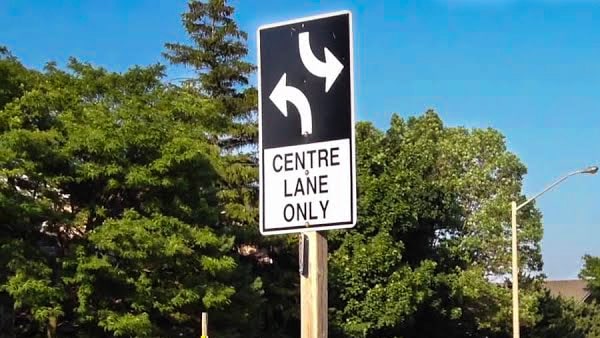
On a Virginia road, how may you use a center lane marked on each side by a solid yellow line next to a broken yellow line?

From the center lane, what maneuvers can you perform?
  1. A. Enter it to prepare for a left turn
  2. B. Use it to pass slower traffic
  3. C. Travel in it until traffic clears
  4. D. Stop in it to load passengers

Correct answer: A. – Enter it to prepare for a left turn

This marking pattern designates the middle lane as a left-turn or holding lane for traffic from either direction. A driver may enter it to turn left into a road or entrance but may not travel in it for more than 150 feet. It is not a regular passing or travel lane. Violating § 46.2-804 is punishable by a $100 fine.

Source: Va. Code § 46.2-804(5) – Special regulations applicable on highways laned for traffic; penalty, Virginia Driver’s Manual — Section 2, “Pavement Markings”

Question 5

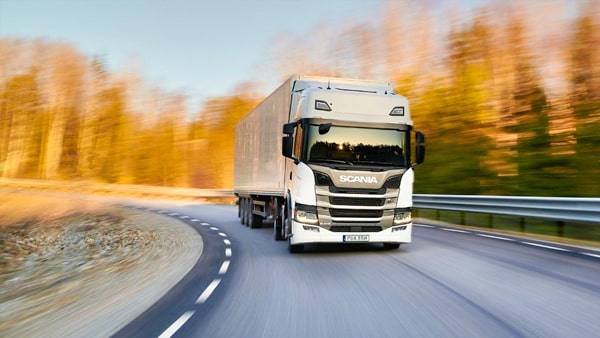
Compared with passenger cars, large trucks generally require:

When sharing the road with a truck, it is important to remember that, in general, trucks:
  1. A. More distance to stop
  2. B. Less time to pass another vehicle downhill
  3. C. A smaller area in which to turn
  4. D. Less time to pass another vehicle uphill

Correct answer: A. – More distance to stop

The Virginia manual explains that trucks, tractor-trailers, buses, and recreational vehicles require greater stopping and turning distances than smaller vehicles. Avoid moving back in front of a truck too soon after passing, especially if you intend to slow down. Wait until the truck's entire front is visible in your rearview mirror before returning to its lane.

Source: Virginia Driver’s Manual — Section 3, “Sharing the Road—Trucks, Tractor-Trailers, Buses and RVs”

Question 6

If alcohol will be served at a social event, which plan provides a safe ride home?

  1. A. Drink coffee before leaving
  2. B. Ride with a friend who has remained sober
  3. C. Take a cold shower before driving
  4. D. Stop drinking 30 minutes before driving

Correct answer: B. – Ride with a friend who has remained sober

Plan before the event to use a sober driver or another form of transportation. Coffee, exercise, and cold showers do not remove alcohol from the body; only time reduces intoxication. Because alcohol affects judgment, the decision not to drive should be made before drinking begins.

Source: Virginia Driver’s Manual — Section 3, “Drunk and Drugged Driving”