


Washington DOL Knowledge Test Practice 5

4.8 out of 5 (1531 votes)
80% Passing score
20 Questions
4 Mistakes allowed
This Washington DOL practice test gives adult drivers a focused way to prepare for the official Washington DMV knowledge test, especially if the licensing process feels a little too spread out between rules, forms, tests, and the actual driving exam. The practice test includes 20 multiple-choice questions, with a strong emphasis on alcohol-related driving laws, blood alcohol content (BAC), DUI penalties, and the way impairment changes judgment long before a driver feels obviously “drunk.” That part matters. Washington takes impaired driving seriously, and the knowledge test expects you to know more than a vague version of “don’t drink and drive.” For first-time applicants age 18 or older, the path to a Washington driver license is more direct than the teen licensing process, but it is not automatic. Adults are not required to complete approved teen driver training, hold a permit for 6 months, or log the supervised daylight and nighttime driving hours that apply to younger drivers. They can usually move straight through the licensing requirements by applying online or at a driver licensing office, passing the knowledge test and drive test unless exempt, completing a vision screening, providing identity documents, giving a Social Security number or signing a declaration if they do not have one, and paying the required fees. A lot of steps, yes, but not the same graduated process teens go through. That is where this Washington DMV knowledge test practice fits in. It gives you room to work through the rules without treating every missed answer like a disaster. After you finish, you can review your answers, go back over the questions you missed, and use the hints and explanations to sort out what went wrong. With BAC and DUI questions, that review can be surprisingly useful, because the details often sit in the wording: limits, consequences, driver responsibility, and what the law considers impairment. One more thing adults sometimes miss: if you want to practice driving on public roads before taking the drive test, you still need a learner permit. You also need a licensed driver with at least 5 years of driving experience seated beside you in the front passenger seat. So even for adults, preparation is not just about passing a screen of questions. This Washington knowledge test practice helps tie the licensing process to the rules you are actually expected to understand before you get behind the wheel.
FREE DMV Practice Test App
Study for your Washington permit test or driver’s license with the NextDoorDriving app. 700+ DMV questions and answers, 100% free!
Download on the App Store

Sample Washington Permit Test Questions

Question 1

A vehicle approaching from behind disappears from your mirrors just before you change lanes. What should you do?

  1. A Signal and begin moving over slowly
  2. B Look over your shoulder to check the blind zone
  3. C Sound the horn and change lanes
  4. D Accelerate quickly into the next lane

Correct answer: B – Look over your shoulder to check the blind zone

A vehicle that disappears from your mirrors may have entered a blind zone beside you. Before changing lanes, conduct an over-the-shoulder check and visually confirm that the space is clear. Driver-assistance alerts can help, but they do not replace checking with your own eyes.

Source: Washington State Driver Guide — §§ 2.12–2.13, “Your Vehicle’s Blind Zones”; “Other Vehicles’ Blind Zones”
Question 2

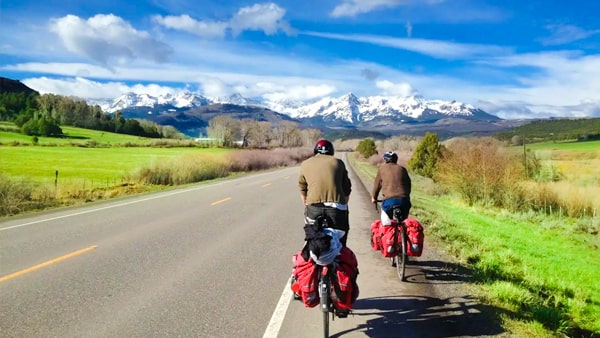
On a roadway with two lanes moving in your direction, how should you pass a bicyclist traveling in the right lane?

When passing a bicyclist, you should:
  1. A Sound the horn continuously while passing
  2. B Move completely into the left lane when it is safe
  3. C Remain beside the bicyclist in the right lane
  4. D Turn on the hazard warning lights

Correct answer: B – Move completely into the left lane when it is safe

Washington law requires a driver on this type of roadway to move completely into the lane to the left before passing and remain there until safely clear of the bicyclist. The lane change may be made only when safe. Different requirements apply on roads with only one lane in the direction of travel.

Source: RCW 46.61.110(2)(a) – Overtaking on the left—Fine

Question 3

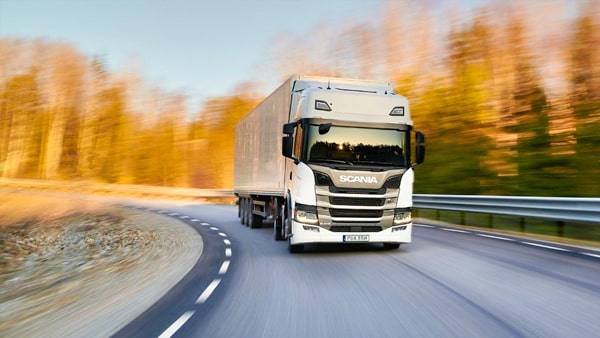
Compared with a passenger car, a large loaded truck generally:

When sharing the road with a truck, it is important to remember that, in general, trucks:
  1. A Needs more distance to stop
  2. B Can be passed more quickly on a downgrade
  3. C Uses a smaller turning radius
  4. D Accelerates more quickly on an incline

Correct answer: A – Needs more distance to stop

Large vehicles cannot stop as quickly as smaller passenger vehicles. Their size and weight require additional stopping distance, even when their brakes are properly adjusted. When moving back in front of a truck after passing, leave enough space rather than cutting closely into its lane.

Source: Washington State Driver Guide — § 4.4, “Sharing with Large Vehicles”

Question 4

When headlights are legally required, may you drive using only parking lights?

  1. A Yes, during the first 30 minutes after sunset
  2. B No
  3. C Yes, but only in fog
  4. D Yes, but only during rain

Correct answer: B – No

Washington requires lighted headlights from one-half hour after sunset until one-half hour before sunrise. Headlights are also required when insufficient light or unfavorable atmospheric conditions prevent people and vehicles from being clearly seen at 1,000 feet. Parking lights alone do not satisfy the headlight requirement during those conditions.

Source: RCW 46.37.020 – When lighted lamps and signaling devices are required

Question 5

A yellow diamond-shaped traffic sign generally provides:

  1. A A warning about a roadway condition or hazard ahead
  2. B An interstate route number
  3. C Only a school-crossing notice
  4. D A legally established speed limit

Correct answer: A – A warning about a roadway condition or hazard ahead

Yellow signs warn of general or unexpected roadway conditions. Diamond-shaped examples include curve, cross-road, merge, slippery-road, and other advance-warning signs. Identify the symbol or words on the sign and adjust your driving for the condition shown.

Source: Washington State Driver Guide — § 4.12, “Signs”; “Other Traffic Signs”

Question 6

Yellow pavement lines normally separate:

  1. A Traffic moving in opposite directions
  2. B Lanes moving in the same direction
  3. C Railroad tracks from the roadway
  4. D Parking spaces from travel lanes

Correct answer: A – Traffic moving in opposite directions

Yellow lines separate traffic traveling in opposite directions. White lines generally separate lanes moving in the same direction. Whether you may cross a yellow line depends on whether it is solid or dashed and which marking is on your side.

Source: Washington State Driver Guide — § 4.16, “White and Yellow Line”