West Virginia DMV Practice Test

4.6 out of 5 (235 votes)
80% Passing score
20 Questions
4 Mistakes allowed
West Virginia’s DMV knowledge test rewards people who study the actual state rules, not people who vaguely remember how four-way stops work from riding in the passenger seat. The official test is based on the West Virginia Driver’s Licensing Handbook, and it covers the usual driving-test territory — traffic laws, road signs, pavement markings, signals, safe driving practices, DUI rules, sharing the road, and the basic responsibilities that come with having a license. The part worth paying attention to is the scoring: the real knowledge exam has at least 25 questions, and you need 19 correct to pass. Leave a question unanswered before time runs out, and it still counts against you, which is a small detail, yes, but one that can matter. This WV DMV practice test is meant to feel like a focused rehearsal, not a random pile of permit questions pulled from nowhere. You will see multiple-choice questions tied to West Virginia driving rules, including signs and traffic-control devices, right-of-way situations, alcohol-related laws, license responsibilities, and the kind of everyday road decisions that are easy to overthink after you have stared at three almost-correct answers for too long. The hints and explanations are doing more than decorating the page, too. They help you catch the rule behind the answer, which is the thing you actually need when the official test phrases something in a slightly stiff, government-office sort of way. It works for a few different kinds of drivers. If you are 15 and applying for a Level 1 GDL Instruction Permit, this is the material you need before the vision screening and knowledge test. If you are 18 or older, you are looking at the regular Class E instruction permit path, with its own document requirements and, in many cases, a permit-holding period before the road skills test. New residents transferring into West Virginia should also take the state-specific rules seriously, since the DMV expects you to handle West Virginia licensing requirements within 30 days of becoming a resident. And, one more thing because it is easy to blur the steps together: West Virginia does offer online knowledge testing through KnowTo Drive, but passing online is not the same as being allowed to drive. You still have to go through DMV processing and have the permit issued. Use this free West Virginia DMV practice test to get the wording, the rules, and the weak spots out in the open before the real exam is the one keeping score.
FREE DMV Practice Test App
Study for your West Virginia permit test or driver’s license with the NextDoorDriving app. 700+ DMV questions and answers, 100% free!
Download on the App Store

Sample West Virginia Permit Test Questions

Question 1

A driver who repeatedly speeds up and weaves around slower vehicles is:

  1. A Making the trip safer and much shorter
  2. B Increasing the likelihood of a crash
  3. C Helping traffic move without congestion
  4. D Driving legally only if on an interstate

Correct answer: B – Increasing the likelihood of a crash

The driver’s handbook identifies speeding from one vehicle to another, weaving through traffic, and tailgating as signs of impatience. These behaviors disrupt traffic and increase the driver’s chance of causing a crash. A safer driver maintains a lawful, steady speed and changes lanes only when necessary.

Source: West Virginia Driver’s Licensing Handbook — Ch. VIII, “Bad Driving Habits—Impatience”
Question 2

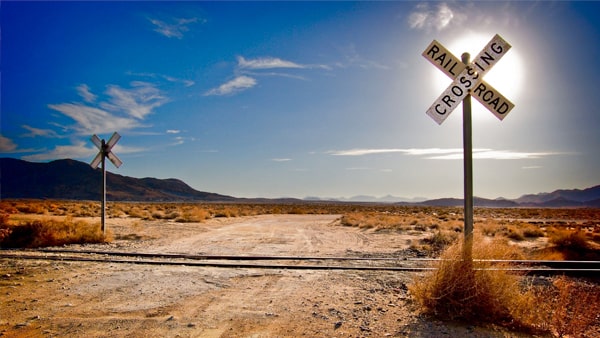
Except where a statutory exception applies, which vehicle must stop at every railroad grade crossing?

What vehicles must stop at all railroad crossings?
  1. A A pickup truck
  2. B A bus transporting passengers
  3. C A motorcycle
  4. D A vehicle towing a recreational trailer

Correct answer: B – A bus transporting passengers

West Virginia requires every bus transporting passengers to stop between 15 and 50 feet from the tracks, then look and listen for a train. Certain hazardous-material vehicles and employer vehicles carrying more than six employees also must stop. Exceptions include crossings where an officer, flagger, qualifying green signal, or out-of-service sign permits proceeding.

Source: W. Va. Code § 17C-12-3(a)–(f) – Certain Vehicles Must Stop at All Railroad Grade Crossings

Question 3

Traffic is backed up beyond an intersection. When should you enter it?

  1. A Only when there is enough room to clear it without stopping inside
  2. B As soon as the vehicle directly ahead begins moving
  3. C Whenever the signal changes from green to yellow
  4. D Whenever you have a green signal, regardless of congestion

Correct answer: A – Only when there is enough room to clear it without stopping inside

Entering without enough space may leave your vehicle stopped within the intersection and obstructing other traffic. West Virginia generally prohibits stopping, standing, or parking within an intersection, subject to stated exceptions. The driver’s handbook also instructs drivers not to stop their vehicles in an intersection.

Source: W. Va. Code § 17C-13-3(a)(3) – Stopping, Standing or Parking Prohibited in Specified Places; Penalty, West Virginia Driver’s Licensing Handbook — Ch. IV, “How You Will Be Tested—General Driving”

Question 4

In West Virginia, a curb in a no-parking zone may be painted:

  1. A Red
  2. B White
  3. C Yellow
  4. D Green

Correct answer: C – Yellow

The driver’s handbook states that a curb in a no-parking zone may be painted yellow. Drivers must also obey official signs that prohibit stopping or parking. Do not treat a painted curb as permission to park without first checking nearby signs and markings.

Source: W. Va. Code § 17C-13-3(a)(15) – Stopping, Standing or Parking Prohibited in Specified Places; Penalty, West Virginia Driver’s Licensing Handbook — Ch. VI, “Prohibited Parking”

Question 5

At a stop sign with no marked stop line, where must you stop if a crosswalk is present?

  1. A At the corner
  2. B Before entering the crosswalk
  3. C Just beyond the corner
  4. D At least 15 feet from the corner

Correct answer: B – Before entering the crosswalk

A driver approaching a stop sign must stop before entering the crosswalk on the near side of the intersection. If there is no crosswalk, the driver stops at the marked stop line or, if none exists, at the nearest point with a view of approaching traffic before entering. Proceed only after yielding as required.

Source: W. Va. Code § 17C-12-5(c), (d) – Vehicles Must Stop at Through Highways; Erection of Signs

Question 6

Before using the oncoming lane to pass on a two-lane road, what should you evaluate?

When passing in the oncoming traffic lane of a two-lane road, you should consider:
  1. A Whether passing is permitted and necessary
  2. B Whether the roadway is visible and free of oncoming traffic far enough ahead
  3. C Whether curves, side roads, bridges, or other hazards affect the maneuver
  4. D All of the above

Correct answer: D – All of the above

Before passing, confirm that you are in a passing zone and that the left side is visible and clear for enough distance to complete the maneuver safely. Check ahead, behind, and beside your vehicle for traffic and hazards such as curves, narrow bridges, and side roads. You must also have enough room to return to the proper lane safely.

Source: W. Va. Code § 17C-7-5(a) – Same—Limitations on Overtaking on the Left; Penalty, West Virginia Driver’s Licensing Handbook — Ch. VI, “Passing”