Mississippi Permit Practice Test 5

4.8 out of 5 (144 votes)
80% Passing score
20 Questions
4 Mistakes allowed
Mississippi’s permit test is built around practical knowledge, not trivia, which sounds simple enough until you realize how much the state folds into that idea. Traffic laws, signs, signals, license rules, safe driving habits, alcohol-related offenses — it all comes from the Mississippi Driver’s License Manual, and the official Computerized Exam can pull from any of it. This Mississippi DMV practice test narrows in on one of the heavier areas: blood alcohol content, DUI laws, and the real safety consequences of impaired driving. There are 20 multiple-choice questions, each written to help you work through the rules instead of just recognizing a familiar phrase and clicking along. BAC is one of those topics where the details matter more than people expect. Not in a dramatic way, exactly, but in the plain legal sense: what counts as impairment, how alcohol affects judgment, and why driving under the influence is treated as a serious risk before, during, and after a traffic stop. The official Mississippi learner permit knowledge test is administered in person by the Department of Public Safety’s Driver Service Bureau. The commonly reported format is 30 multiple-choice questions, and you need 24 correct answers to pass, which is an 80% score. You can miss 6. Road signs and signals are part of the exam as well, because Mississippi expects applicants to read, understand, and follow them — not just sort of recognize them from a chart they glanced at once. Also, leave the electronics out of it. Cell phones, earbuds, smart watches, and similar devices are not allowed in the testing area, and getting caught with them or cheating can cancel the test and block a retest for 6 months. This MS DMV permit test practice is untimed, so use that. Slow down when a question feels too easy, because that is often where people skim past the actual rule. You can retake the practice test as many times as you need, which is useful for building confidence and, more importantly, for catching the weak spots you would rather find now than at the testing station. There are a few licensing details worth keeping in the same mental folder. Applicants under 18 generally need proof of school enrollment, with a Certification of Attendance that is no more than 30 days old unless they are married and can provide a marriage license instead. Drivers under 17 moving toward a regular Class R license may need a 50-hour driving affidavit. Mississippi also offers hardship driving privileges in limited cases for eligible 15- to 17-year-olds, but those privileges come with strict conditions, approved driving purposes, passenger limits, and no cell phone use while driving, even hands-free.  This Mississippi DMV practice test gives you a calmer place to sort through those rules now, before the official permit test asks you to prove you know them.
FREE DMV Practice Test App
Study for your Mississippi permit test or driver’s license with the NextDoorDriving app. 700+ DMV questions and answers, 100% free!
Download on the App Store

Sample Mississippi Permit Test Questions

Question 1

Why is handling or lighting a cigarette while driving unsafe?

Preparing to smoke and smoking while driving:
  1. A It has no effect on the driving task
  2. B It reliably keeps the driver alert
  3. C It can divert attention and a hand from driving
  4. D It improves the driver’s concentration

Correct answer: C – It can divert attention and a hand from driving

A distraction is anything that takes attention away from operating the vehicle. Handling or lighting an item can occupy a hand and divert the driver’s attention from traffic. Drivers should keep their eyes on the roadway, their hands available for vehicle control, and their minds focused on the driving task.

Source: Mississippi Driver’s License Manual — “Avoiding Distractions”
Question 2

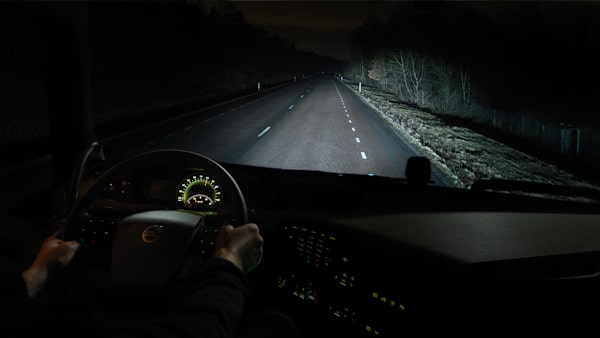
During which period is driving visibility generally most reduced?

  1. A Morning daylight
  2. B Afternoon daylight
  3. C After dark
  4. D Visibility is the same throughout the day

Correct answer: C – After dark

Visibility is greatly reduced at night, making hazards more difficult to detect and distances harder to evaluate. Drivers should reduce speed and exercise additional caution after dark. Your speed must allow you to stop within the distance illuminated by your headlights rather than “over-driving” them.

Source: Mississippi Driver’s License Manual — “Driving at Night”

Question 3

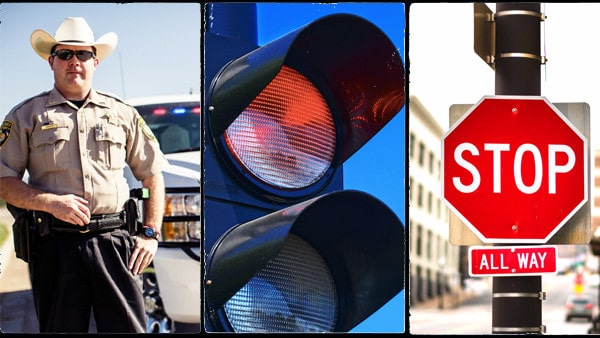
If a law-enforcement officer’s traffic direction conflicts with a signal, which must you follow?

Which of the following must you obey over the other three?
  1. A The steady red signal
  2. B The officer’s direction
  3. C The stop sign
  4. D The flashing red signal

Correct answer: B – The officer’s direction

Drivers must obey an authorized law-enforcement officer who is directing traffic. The officer’s lawful direction controls even when it differs from a traffic light, stop sign, or pavement marking. For example, if an officer directs traffic through a red signal or orders traffic to stop at a green signal, drivers must follow that instruction.

Source: Miss. Code Ann. § 63-3-203 – Obedience to police officers, Mississippi Driver’s License Manual — “Traffic Signs and Signals”

Question 4

What important limitation should you remember when driving at night?

At night, it is hardest to see:
  1. A Road signs cannot be seen after sunset
  2. B You can see only as far ahead as your headlights illuminate
  3. C Other vehicles normally travel without lights
  4. D Streetlights make headlights unnecessary

Correct answer: B – You can see only as far ahead as your headlights illuminate

At night, your useful forward view is limited by the reach of your headlights. Drive slowly enough to stop within the distance you can see; otherwise, you may encounter a pedestrian, stopped vehicle, or other hazard before you have room to stop. Even high beams do not provide the same visibility available during daylight.

Source: Mississippi Driver’s License Manual — “Driving at Night”

Question 5

When parking downhill on a road without a curb, which way should the front wheels point?

  1. A Sharply left
  2. B Sharply right
  3. C Straight ahead
  4. D Toward the center of the road

Correct answer: B – Sharply right

When parking downhill, turn the front wheels sharply to the right whether or not a curb is present. If the vehicle begins to roll, this wheel position directs it away from the center of the road. Place an automatic transmission in Park, or a manual transmission in the appropriate gear, and set the parking brake firmly.

Source: Mississippi Driver’s License Manual — “Parking on a Hill”

Question 6

The liver can generally process approximately how much alcohol per hour?

  1. A About one standard drink
  2. B An unlimited amount if food is eaten
  3. C One drink every five minutes
  4. D Five standard drinks

Correct answer: A – About one standard drink

The liver can generally handle about one standard drink per hour. A standard drink may be approximately a 12-ounce beer containing 5% alcohol, a 5-ounce glass of 12% wine, or 1.5 ounces of 80-proof liquor. This is only an approximate processing rate; the amount consumed, drinking rate, and body weight affect BAC, and drinking should not be followed by driving.

Source: Mississippi Commercial Driver’s License Manual — § 2.22, “Alcohol, Other Drugs, and Driving”, Mississippi Driver’s License Manual — “Alcohol & the Driver”