Vermont DMV Sign Test 3

5 out of 5 (33 votes)
80% Passing score
20 Questions
4 Mistakes allowed
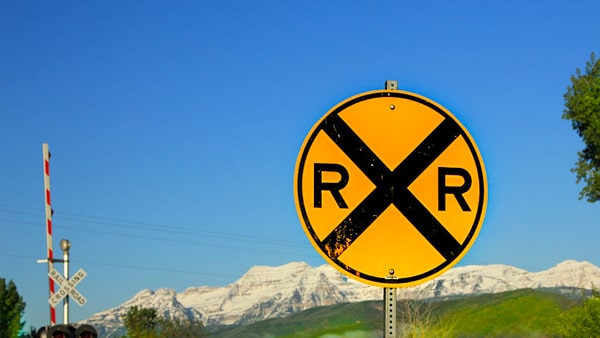
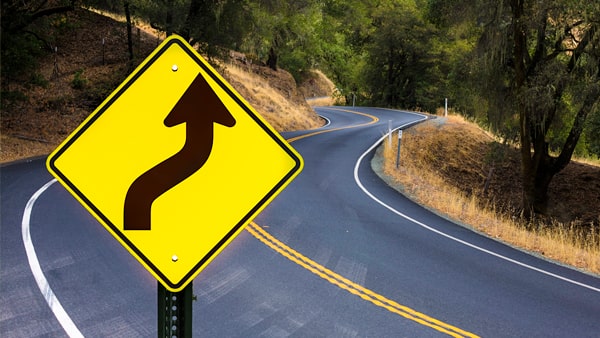
A Vermont road signs test should feel closely tied to the roads people actually drive here, not like a generic sign quiz with “Vermont” pasted on top. This 20-question Vermont DMV signs practice test keeps the focus where it belongs: recognizing sign shapes, colors, meanings, and the decisions those signs are asking you to make. Stop signs at quiet intersections, yield signs that are easy to treat too casually, warning signs before sharp curves or animal crossings — it is all fair game, and it is the kind of material that shows up both on the permit test and in real driving. To pass this DMV sign test, you need 16 correct answers out of 20. That means a vague memory of what a yellow diamond “probably” means is not really enough. You should know why an octagon matters before you read the word inside it, what a triangle is telling you before traffic gets complicated, and how rectangular regulatory or guide signs fit into the larger picture. The practice is deliberately narrow, in a good way. It lets you work on Vermont road signs without getting pulled into every licensing rule at once. Still, the sign test is only one piece of the Vermont licensing process, and this is where the practical stuff matters. Vermont requires a vision screening before licensing, with a 20/40 standard listed in the Driver’s Manual. You can use corrective lenses if needed, and a glasses-or-contacts restriction may be added if that is how you meet the standard. If you do not pass the DMV screening, you are referred to a licensed optometrist or ophthalmologist for a professional evaluation, at your own expense. The learner permit test is taken online through Vermont myDMV, not at a DMV office, although the paperwork part has not magically disappeared. Applicants still need to handle identity, residency, fees, and permit issuance through the DMV, and office visits are by appointment only. Before applying, expect to provide proof of identity, date of birth, Social Security number or proof of ineligibility, Vermont residency, legal name-change documents if needed, and the required fees. For a learner permit, one residency document is required; minors have parent or guardian documentation rules as well. Use this Vermont permit sign test as the clean starting point. Learn the signs first, get comfortable with the way the questions are framed, and then the rest of the process — vision, documents, appointments, and eventually the road test — becomes a lot easier to deal with because at least this part is already under control.
FREE DMV Practice Test App
Study for your Vermont permit test or driver’s license with the NextDoorDriving app. 700+ DMV questions and answers, 100% free!