Louisiana Drivers Ed Practice Test 8

4.9 out of 5 (59 votes)
80% Passing score
20 Questions
4 Mistakes allowed
A solid Louisiana DMV practice test should do more than run through the obvious stuff. You already know Stop signs matter. What tends to trip people up is the slightly messier material: four-way stops, right-of-way rules, intersection decisions, and the little timing judgments that feel simple on paper but get less simple when three other drivers are involved and one of them seems to be freelancing. This Louisiana drivers ed practice test gives you 20 multiple-choice questions built around the kinds of situations new drivers actually need to understand. Not just “what does this sign mean,” but who goes first, when to yield, what to do when traffic gets awkward, and how to avoid turning a normal intersection into a group confusion exercise. It is still test prep, yes, but it is the useful kind — the kind that makes the rules feel less like memorized sentences and more like decisions you can actually make behind the wheel. The questions were created and reviewed by professional driving instructors with decades of combined experience, which helps keep the practice focused instead of padded. Instructors know where students usually stumble. They have seen people overthink easy right-of-way calls, miss one important detail in a question, or pick the answer that sounds almost correct, which is always a charming little trap. So this Louisiana permit practice test stays close to the road situations that matter most, especially the ones that tend to show up when drivers are new, nervous, or a little too sure of themselves. You can retake the test as often as you need, and that is where the practice starts doing its quiet little job. Miss a question, retake it. Get irritated by a four-way stop scenario, retake it anyway. Notice that one type of intersection keeps catching you out — good, actually. That is the weak spot announcing itself before test day, which is far better than discovering it while sitting at the DMV trying not to look worried. Use this Louisiana drivers ed pre-test before the real permit test, or come back to it when a topic still feels fuzzy around the edges. Take your time, read the questions carefully, and let the mistakes do their mildly annoying but very useful work before the official test gets involved.
FREE DMV Practice Test App
Study for your Louisiana permit test or driver’s license with the NextDoorDriving app. 700+ DMV questions and answers, 100% free!
Download on the App Store

Sample Louisiana Permit Test Questions

Question 1

Which activity is specifically prohibited by Louisiana law while operating a motor vehicle?

  1. A. Listening to the vehicle's speakers at a moderate volume
  2. B. Adjusting the climate controls before entering traffic
  3. C. Using one earpiece that leaves the other ear uncovered
  4. D. Wearing headphones that cover or are inserted into both ears

Correct answer: D. – Wearing headphones that cover or are inserted into both ears

La. R.S. 32:295.2 prohibits a motor-vehicle operator from wearing a listening device that covers or is inserted into both ears. A device used in only one ear is permitted, and the statute provides limited exceptions for certain emergency personnel and motorcycle helmet systems. A violation carries a $25 fine plus court costs and is not classified as a moving violation.

Source: La. R.S. 32:295.2 – Wearing of headphones; prohibitions; exceptions
Question 2

How should a driver position a vehicle when making a right turn?

  1. A. Near the centerline throughout the turn
  2. B. As close as practicable to the right curb or roadway edge
  3. C. In any lane that appears open
  4. D. In the left lane before entering the intersection

Correct answer: B. – As close as practicable to the right curb or roadway edge

Louisiana law requires both the approach to a right turn and the turn itself to be made as close as practicable to the right-hand curb or edge of the roadway. The driver must also ensure the movement can be completed with reasonable safety. Follow any signs or pavement markings that direct a different lawful path.

Source: La. R.S. 32:101(A)(1), (B) – Required position and method of turning at intersections, La. R.S. 32:104(A) – Turning movements and required signals

Question 3

Looking approximately 20 to 30 seconds ahead while driving helps you:

  1. A. Avoid checking your mirrors
  2. B. Maintain the maximum speed in every condition
  3. C. Recognize traffic conditions and hazards early

Correct answer: C. – Recognize traffic conditions and hazards early

The driver’s guide recommends looking about 20 to 30 seconds ahead instead of focusing only on the vehicle directly in front of you. This allows time to recognize slowing traffic, entering vehicles, changing signals, and other developing conditions. Early detection reduces the need for sudden braking or steering.

Source: Class D & E Driver’s Guide — Ch. 5, “Looking and Scanning Ahead”

Question 4

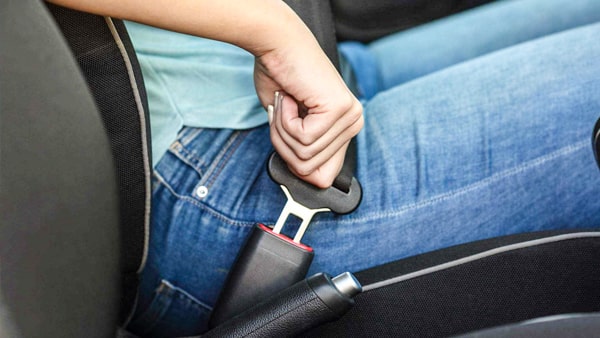
In vehicles covered by Louisiana's safety-belt law, seat belts should be worn by:

Seat belts can be most effective as injury preventive devices when they are worn by:
  1. A. Only the driver
  2. B. Passengers only during highway trips
  3. C. Everyone only when traveling far from home
  4. D. The driver and every passenger whenever the vehicle is moving forward

Correct answer: D. – The driver and every passenger whenever the vehicle is moving forward

Louisiana requires each occupant of a covered passenger car, van, sport utility vehicle, or qualifying truck to have a safety belt properly fastened whenever the vehicle is moving forward. Children covered by the child-passenger law must use the appropriate restraint. Seat belts should be used on every trip, not just on expressways or long drives.

Source: La. R.S. 32:295.1(A) – Safety belt use; tags indicating exemption, Class D & E Driver’s Guide — Ch. 4, “Use of Safety Belts”

Question 5

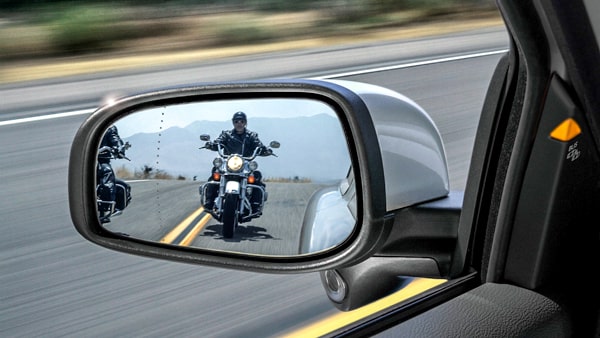
Why should you check carefully for motorcycles before changing lanes?

Look carefully for motorcycles before you change lanes because:
  1. A. Motorcycles are prohibited from using a full traffic lane
  2. B. Their narrow profile makes them easier to miss in a blind spot
  3. C. Motorcycles always have priority at intersections
  4. D. Motorcycles may ignore lane markings

Correct answer: B. – Their narrow profile makes them easier to miss in a blind spot

A motorcycle has a narrower and shorter profile than most passenger vehicles. It can be concealed in a blind spot or missed during a quick mirror check, and its size may make its speed and distance harder to judge. Check the mirrors and blind spot carefully before moving into another lane.

Source: Class D & E Driver’s Guide — Ch. 5, “Sharing the Road with Motorcycles”

Question 6

When preparing to turn left from a two-way street onto a one-way street, where should you begin the turn?

  1. A. From the lane nearest the right curb
  2. B. From the center of any available lane
  3. C. From the extreme left lane lawfully available in your direction
  4. D. From whichever lane has the least traffic

Correct answer: C. – From the extreme left lane lawfully available in your direction

Because one of the intersecting roads carries one-way traffic, Louisiana requires the driver to approach the left turn from the extreme left-hand lane lawfully available in the direction of travel. After entering the intersection, the turn must end in the safest lane lawfully available on the one-way street. Obey any signs directing a different course.

Source: La. R.S. 32:101(A)(3), (B) – Required position and method of turning at intersections