Virginia DMV Practice Test

4.7 out of 5 (1290 votes)
80% Passing score
20 Questions
4 Mistakes allowed
The Virginia DMV knowledge test is split into two parts, and that structure matters more than most people realize at first. You start with 10 road sign questions, and Virginia requires a perfect score on that section. Not a strong score. Not “close enough.” All 10 have to be correct before you can continue to the general knowledge portion. After that, you get 30 multiple-choice questions on driving laws and safe driving, and you need at least 24 correct to pass. This free VA DMV permit practice test gives you a practical way to prepare for that exact setup. The questions are based on the Virginia Driver’s Manual and cover the material you are expected to know: traffic signs, signals, pavement markings, right-of-way rules, motor vehicle laws, safe driving practices, impaired-driving rules, sharing the road, and the basic responsibilities that come with having a license. A lot of that sounds simple when it is listed out like that, which is maybe the trap. On the actual test, the details can get narrow, and two answer choices can sit a little too close together. The road sign section deserves its own attention because Virginia treats it separately. You cannot miss a sign question and make up for it later on the general knowledge section. That is why a good Virginia permit practice test should not just toss in a few signs and call it enough. You want to recognize them quickly, understand what they require, and avoid second-guessing yourself when the real exam starts. It is also worth knowing the retake rules before test day, just so there are no unpleasant surprises. If you are under 18 and fail the knowledge exam, you must wait a full 15 days before trying again. If you are 18 or older, you may usually retest once per business day. After three failed attempts, applicants of any age must complete the required classroom driver education component before taking the exam a fourth time. That is a lot of hassle for a test that is very manageable with the right preparation — but manageable does not mean you should wing it. Use this Virginia DMV permit practice test as a serious warm-up before the real thing. The answer explanations help turn missed questions into useful review, which is the whole point: not just getting through a quiz, but walking into the Virginia DMV test already familiar with the rules, the wording, and the parts that tend to trip people up.
FREE DMV Practice Test App
Study for your Virginia permit test or driver’s license with the NextDoorDriving app. 700+ DMV questions and answers, 100% free!
Download on the App Store

Sample Virginia Permit Test Questions

Question 1

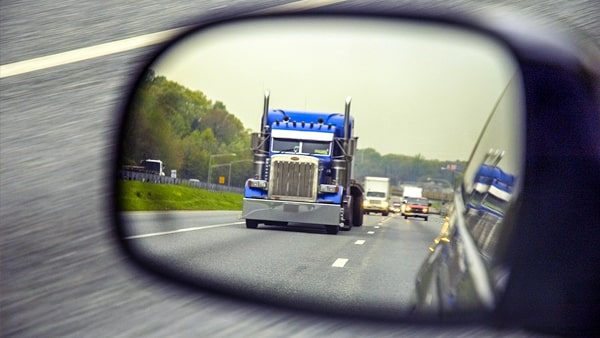
Which checks should you make immediately before moving into another lane?

  1. A. Check only for vehicles directly behind you
  2. B. Check your mirrors and glance over your shoulder for traffic in the blind spot
  3. C. Check the rearview mirror but never look over your right shoulder
  4. D. Check only the side mirror nearest the new lane

Correct answer: B. – Check your mirrors and glance over your shoulder for traffic in the blind spot

Before changing lanes, check the side and rearview mirrors, signal, and look for other drivers who may be entering the same lane. Just before moving, glance over your shoulder to check the blind spot. The law also requires you to determine that the lane movement can be made safely.

Source: Va. Code § 46.2-804(2) – Special regulations applicable on highways laned for traffic; penalty, Virginia Driver’s Manual — Section 3, “Changing Lanes”
Question 2

Under Virginia law, what does a steady green traffic signal permit you to do?

  1. A. Slow down and prepare to stop in every case
  2. B. Stop before entering the intersection
  3. C. Proceed while yielding to vehicles and pedestrians lawfully in the intersection
  4. D. Proceed straight but never turn right

Correct answer: C. – Proceed while yielding to vehicles and pedestrians lawfully in the intersection

A green signal authorizes traffic to move in the signal's direction, but drivers must yield to vehicles and pedestrians lawfully within the intersection. It does not require a stop or automatically prohibit a turn, although signs and other traffic rules may restrict turning. A violation of § 46.2-833 is a traffic infraction punishable by a fine of no more than $350.

Source: Va. Code § 46.2-833(A), (D) – Traffic lights; penalty

Question 3

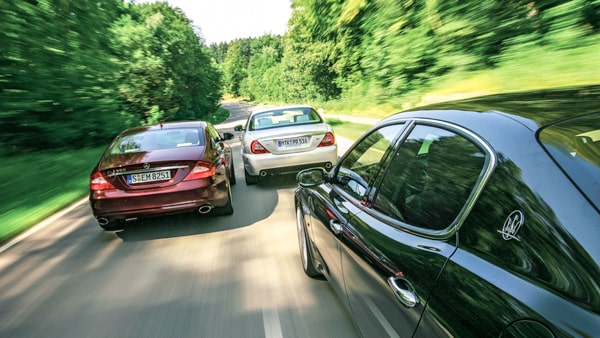
Before passing in the oncoming lane of a Virginia two-lane road, which factors must you evaluate?

When passing in the oncoming traffic lane of a two-lane road, you should consider:
  1. A. Whether the road is visible and free of oncoming traffic far enough ahead
  2. B. Traffic behind you, blind spots, and available room to return safely
  3. C. Whether you can finish without speeding or entering a no-passing zone
  4. D. All of the above

Correct answer: D. – All of the above

Before passing, check ahead, behind, and in your blind spot. The oncoming lane must be clearly visible and free of traffic for enough distance to complete the maneuver safely. You must also obey the speed limit, finish before reaching a no-passing zone, and return right only after safely clearing the overtaken vehicle.

Source: Va. Code § 46.2-843 – Limitations on overtaking and passing, Va. Code § 46.2-838(A) – Passing when overtaking a vehicle, Virginia Driver’s Manual — Section 3, “Passing”

Question 4

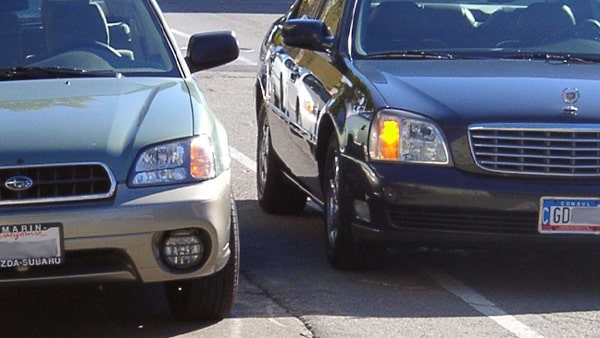
Which statement is correct about parking beside a vehicle already parked at the curb?

Which of the following is true about double parking?
  1. A. It is prohibited double parking
  2. B. It is allowed if the driver remains inside
  3. C. It is allowed while making a delivery
  4. D. It is allowed if the parked vehicle can still leave

Correct answer: A. – It is prohibited double parking

The driver’s manual prohibits parking beside another parked vehicle, commonly called double parking. Remaining in the vehicle, making a delivery, or leaving room for the other vehicle does not make this a proper parking position. Park only in a lawful location where your vehicle will not obstruct a designated traffic lane.

Source: Virginia Driver’s Manual — Section 3, “Parking”

Question 5

Under Virginia law, when must a driver waiting to turn left yield to oncoming traffic?

  1. A. Until at least two vehicles have passed
  2. B. While an approaching vehicle is close enough to create a hazard
  3. C. Until every visible vehicle has passed, regardless of distance
  4. D. Only until the signal begins changing from green

Correct answer: B. – While an approaching vehicle is close enough to create a hazard

A driver intending to turn left must yield to a vehicle approaching from the opposite direction when it is close enough to constitute a hazard. The rule does not require waiting for a fixed number of vehicles or for all distant traffic to disappear. A separate protected left-turn signal gives the turning vehicle the right-of-way when displayed.

Source: Va. Code § 46.2-825 – Left turn traffic to yield right-of-way

Question 6

If a truck begins passing your vehicle on the left, what should you do with your speed?

When a truck driver behind you wants to pass your vehicle, your speed should:
  1. A. Maintain a steady speed or slow down
  2. B. Vary your speed during the pass
  3. C. Increase your speed
  4. D. Accelerate and move left

Correct answer: A. – Maintain a steady speed or slow down

When being passed, maintain a steady speed or slow down rather than accelerating. An overtaken driver must give way to the right and may not increase speed until the passing vehicle has completely passed. Predictable speed helps the passing driver complete the maneuver without unnecessary delay.

Source: Va. Code § 46.2-842 – Driver to give way to overtaking vehicle, Virginia Driver’s Manual — Section 3, “Passing”